
Firefire cotoneaster
Cotoneaster ignescens
Description
Growing requirements
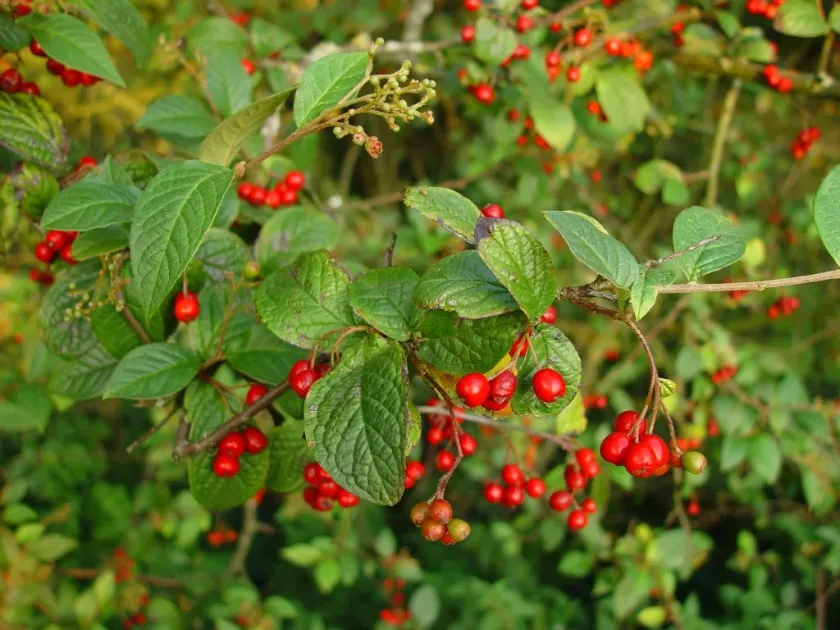
Firefire cotoneaster (Cotoneaster ignescens) is a perennial shrub belonging to the Rosaceae family. It is widely recognized for its high ornamental value, featuring dense foliage and vibrant fruits that persist throughout the season.
Native to the mountain regions of China, this species is well-adapted to varied environmental conditions. It is frequently utilized in landscaping as a decorative element, providing structure and seasonal color in various garden styles.
The plant thrives in full sun, which is essential for developing its characteristic intense fruit color and compact growth habit. While it tolerates partial shade, excessive darkness can lead to leggy stems and reduced berry production.
Regarding soil requirements, it prefers well-draining loamy or sandy soils. It is critical to avoid waterlogged conditions, as the plant is susceptible to root rot if moisture remains trapped near the root system for extended periods.
Routine care involves moderate watering during establishment and periodic pruning to maintain shape. Its hardiness makes it an excellent choice for urban landscapes, as it withstands pollution and adverse weather conditions better than many other shrubs.
Main diseases and pests
The most common disease affecting this species is powdery mildew, which can develop during humid periods. Proper spacing and airflow are the best preventive measures to keep the foliage healthy and free of fungal growth.
Pests such as aphids and spider mites can infest young growth during the spring. Early detection and the application of suitable insecticides or horticultural oils are recommended to minimize damage to the plant's decorative leaves.
Fusarium wilt can also pose a risk if drainage is poor. Implementing a consistent watering schedule and improving soil aeration can significantly reduce the likelihood of this soil-borne disease affecting the plant.
Scale insects can occasionally attach to the branches, weakening the shrub over time. Hand-picking or targeted application of systemic insecticides can help manage these populations before they become a major infestation issue.
Overall plant health is the best defense against threats. Providing adequate nutrition and ensuring the shrub is not stressed by extreme drought or overwatering will promote natural resistance to most common diseases and pests.