
Hylmoe cotoneaster
Cotoneaster hylmoei
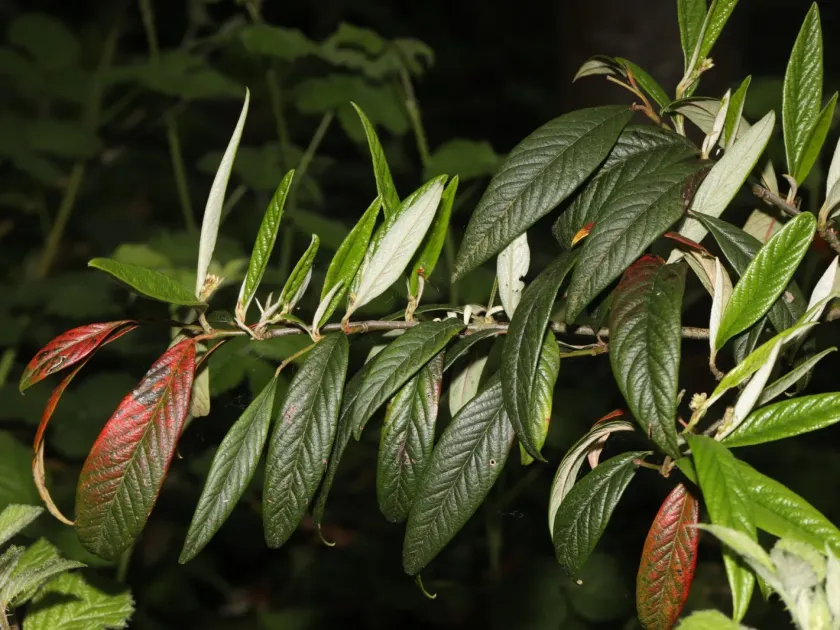
Description
Growing requirements
The Hylmoe cotoneaster (Cotoneaster hylmoei) is a perennial ornamental shrub that belongs to the Rosaceae family. It is recognized for its dense habit, attractive foliage, and resilience, making it a popular choice for diverse horticultural applications.
This species thrives in sunny environments or partial shade, exhibiting high adaptability to various soil types, ranging from sandy loams to heavier clay soils. However, good drainage is critical to prevent root system stress, as the plant does not tolerate waterlogging.
Regarding climate, the plant is quite hardy, capable of withstanding cold winters and moderate dry spells once established. This makes it a reliable choice for landscaping in regions with temperate climates, ensuring consistent performance throughout the year.
Basic maintenance includes structural pruning to maintain the desired shape and size. The plant responds well to shearing, which is beneficial for creating neat hedges or formal topiary displays. Minimal fertilization is usually sufficient, as the plant is efficient at utilizing available nutrients.
From an agricultural and design perspective, this shrub is highly valued for erosion control on slopes and for providing habitat for local bird populations. Its aesthetic appeal during the autumn season, when it may produce berries, adds significant ornamental value to any garden project.
Main diseases and pests
The Hylmoe cotoneaster is primarily susceptible to fungal diseases such as leaf spot and fire blight. These conditions often develop when air circulation is restricted or when plants are exposed to prolonged periods of high humidity.
Common insect pests include aphids, scale insects, and various mites. These organisms can sap the vigor of the plant, causing stunted growth and leaf damage. Early detection is crucial for maintaining the health of the shrub.
Effective management strategies rely on cultural practices, such as removing affected branches immediately upon discovery and ensuring enough space between plants for optimal airflow. This reduces the micro-environmental pressure for disease development.
Chemical intervention should be considered a secondary measure, to be applied only when infestations reach economic thresholds. Utilizing systemic insecticides during the dormant season or early spring can prevent many common pest issues before they become established.
- Regular monitoring of foliage for signs of pest damage.
- Proper spacing to allow for adequate ventilation.
- Sanitary pruning of dead or diseased wood.