
Cotoneaster hybrid
Cotoneaster hybrids
Description
Growing requirements
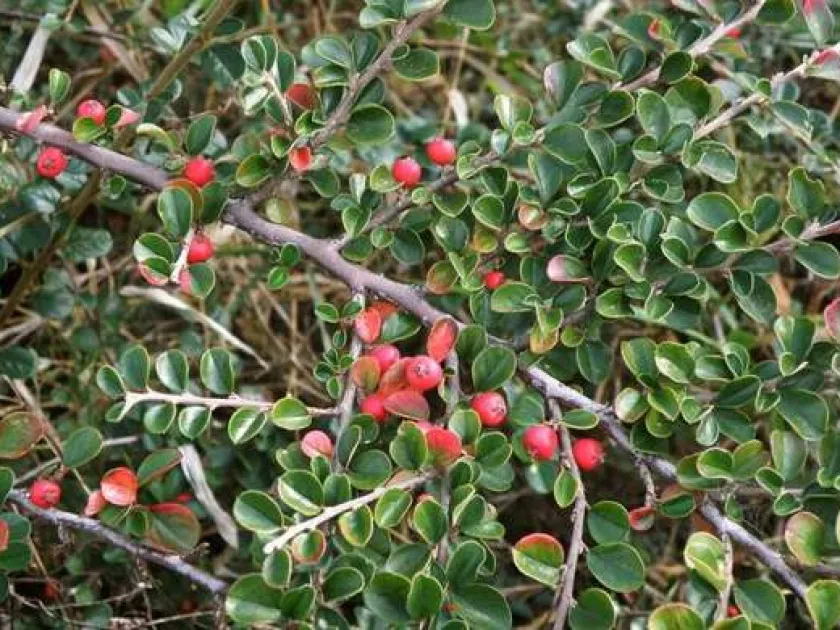
Cotoneaster hybrid (Cotoneaster hybrids) refers to a group of decorative shrubs within the Rosaceae family. These plants are the result of deliberate breeding programs aimed at producing specimens that combine high ornamental value with robust physiological traits such as cold tolerance.
The plant thrives best in sunny locations, though it is quite adaptable and can tolerate partial shade. Full sun exposure is essential for developing a dense, compact habit and ensuring the plant produces its characteristic vibrant berries in the late summer and autumn seasons.
It is not particularly demanding regarding soil composition, though it performs best in well-drained, fertile loam. While it can tolerate a variety of pH levels, it requires good soil aeration and is sensitive to waterlogged conditions, which can lead to root system decay.
Once established, this shrub exhibits remarkable drought tolerance, making it suitable for low-maintenance landscapes. However, providing supplementary water during extreme heatwaves will significantly improve the vitality and berry production of the plant.
In landscaping and agriculture, the Cotoneaster hybrid is highly valued for erosion control on slopes, low hedge construction, and border planting. Its dense foliage and branching pattern make it an ideal choice for both urban environments and private gardens.
Main diseases and pests
The most common diseases affecting these shrubs include powdery mildew and fusarium wilt. These fungal issues are often exacerbated by poor air circulation and high humidity, necessitating proper spacing and regular sanitation pruning.
Pests such as aphids and scale insects are known to attack young shoots. Early detection is vital for successful management, and gardeners are advised to inspect the undersides of leaves and stems regularly during the spring growth flush.
Spider mites can become a significant nuisance during hot, dry weather periods, causing the foliage to lose its luster and turn yellow. Applying acaricides as part of an integrated pest management strategy effectively maintains the health of the plant.
Regular maintenance practices, including the removal of dead or diseased wood, improve the overall health and airflow within the shrub. Avoiding overcrowding in planting schemes is a preventative measure that significantly reduces disease pressure.
Autumn sanitation is critical for managing potential pest populations and fungal spores. Removing and destroying fallen leaves prevents the overwintering of pathogens, thereby reducing the need for chemical interventions in the following spring season.