
Hupeh cotoneaster
Cotoneaster hupehensis
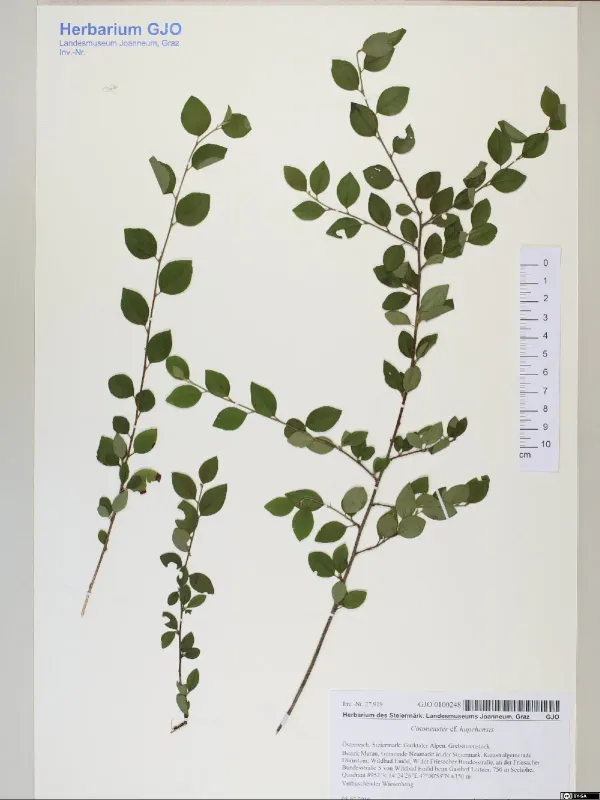
Description
Sowing dates
The propagation of Cotoneaster hupehensis is commonly performed via seeds or softwood cuttings. Seeds possess a deep dormancy and require a period of cold stratification for at least 3-4 months to germinate successfully.
For best results, seeds should be sown in autumn outdoors or in containers that are left exposed to winter conditions. This exposure to natural temperature fluctuations breaks the seed dormancy.
Cuttings should be taken during the mid-summer months when the wood is semi-ripe. Using a rooting hormone on the base of the cuttings can significantly increase the chances of successful development.
When moving seedlings to their permanent garden location, it is vital to ensure the soil is well-prepared. Spring planting is generally preferred to allow the root system to establish before the onset of winter.
Adequate spacing is crucial for mature plants, as they tend to spread horizontally. Planting them at least 1.5 to 2 meters apart ensures better air circulation and prevents disease outbreaks.
Growing requirements
Hupeh cotoneaster is a member of the Rosaceae family, native to the Hubei province in China. It is a deciduous shrub that is highly prized for its graceful, arching branches and white flowers.
This shrub prefers well-drained, fertile soil. It is adaptable to various soil types, ranging from sandy to loamy, but it will suffer in heavy clay soils that are prone to waterlogging.
Sunlight is a key factor for this species. While it can tolerate partial shade, it thrives best in full sun, where it produces the densest foliage and the most abundant fruit set.
The plant is known for its hardiness, as it originates from mountain regions. It handles moderate frost and cool winters well, making it a reliable choice for gardens in temperate climates.
Maintenance involves routine watering during prolonged dry spells and the application of organic mulch to maintain soil moisture levels and provide essential nutrients.
Main diseases and pests
Fire blight (Erwinia amylovora) is the most serious threat to cotoneaster plants. If symptoms such as blackened, scorched-looking foliage appear, the affected branches must be pruned immediately.
Aphids and spider mites are common pests that target young growth. Regular inspection of the undersides of the leaves is recommended to identify infestations before they cause significant damage.
Good cultural practices, such as ensuring proper spacing for air circulation, are the best defense against fungal infections. Avoiding overhead irrigation can also reduce the risk of leaf diseases.
If chemical intervention is required, insecticidal soaps or neem oil can be used to manage mite and aphid populations while remaining relatively safe for beneficial insects.
Pruning should be performed with sterilized tools to prevent the transmission of pathogens between infected and healthy parts of the plant during the maintenance season.
Harvesting
The primary use of Cotoneaster hupehensis is ornamental. It is frequently employed in landscape design for border plantings, mass displays, and as a foundation shrub.
The aesthetic value of the shrub is highest in autumn, when it develops a striking display of bright red berries that contrast beautifully against the changing foliage color.
Formative pruning should be carried out in late winter or early spring while the plant is still dormant, focusing on removing crossing branches and maintaining the shrub's natural structure.
The fruit of this cotoneaster is non-toxic but not commonly consumed by humans. However, it is an excellent food source for local bird populations during the winter months.
Its robustness and low maintenance requirements make it a favored choice for municipal landscaping and large estate gardens where sustainable and reliable greenery is needed.