
Hummel's cotoneaster
Cotoneaster hummelii
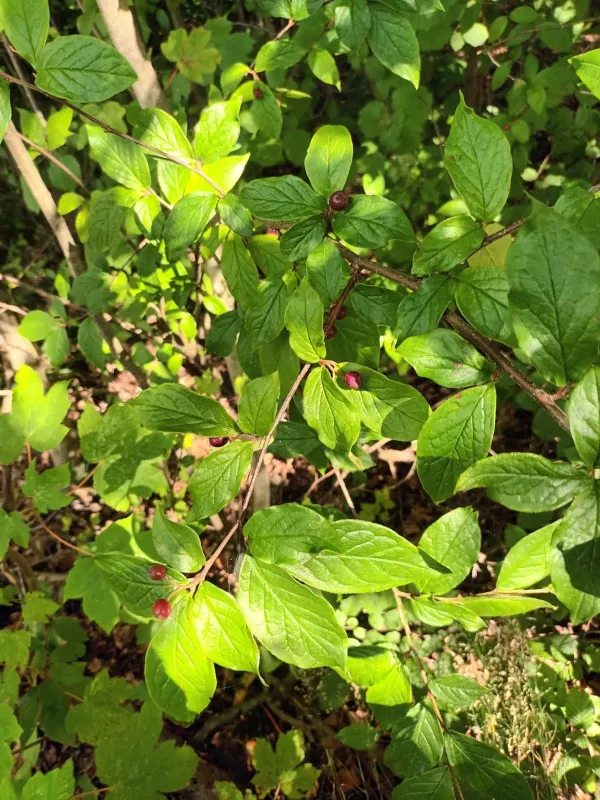
Description
Growing requirements
Hummel's cotoneaster (Cotoneaster hummelii) is a deciduous perennial shrub belonging to the Rosaceae family. Its native range originates from the temperate regions of East Asia, specifically in China.
The plant is highly valued for its winter hardiness and its ability to thrive in various environmental conditions. It prefers sunny locations to achieve optimal foliage color and flower density during the spring season.
It adapts well to a wide range of soil types, provided there is adequate drainage. While it tolerates various pH levels, it performs best in loamy or sandy soils that allow for deep root development.
Agrotechnical maintenance includes basic pruning to maintain its form and structure. Because the plant is resilient, it requires minimal irrigation once established, making it a low-maintenance choice for gardeners.
Its primary commercial and horticultural use is as an ornamental plant. It is widely used in landscape design to create dense hedges, decorative clusters, or for erosion control on slopes due to its fibrous root system.
Main diseases and pests
Despite its robustness, the shrub can be susceptible to fungal diseases such as powdery mildew or fungal leaf spots if the planting site lacks sufficient air circulation.
Pests that commonly affect this species include aphids and mites, which can cause leaf curling and chlorosis if the infestation is not addressed during the early stages.
Preventive maintenance involves removing dead or diseased branches annually and ensuring that the base of the shrub is kept clear of dense organic debris that might harbor pathogens.
Chemical control measures should be implemented only when necessary, using specialized insecticides and fungicides to manage potential outbreaks effectively.
Regular inspections of the foliage and stems are recommended to identify early signs of pest activity, which is crucial for maintaining the plant's ornamental value.