
Cotoneaster hsingshangensis
Cotoneaster hsingshangensis
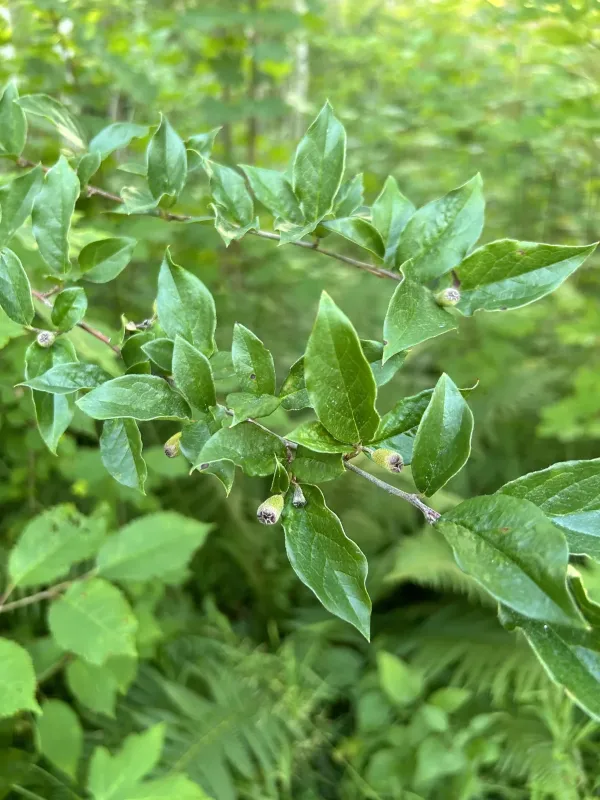
Description
Sowing dates
The planting of Cotoneaster hsingshangensis is best performed in early spring or autumn to ensure the plant establishes itself before extreme temperatures.
When propagating from seeds, cold stratification is required for several months to break dormancy and ensure successful germination rates.
Container-grown specimens can be transplanted throughout the active growing season, provided that the root ball remains moist and intact during planting.
Spacing requirements vary based on the intended use, but for hedge planting, 50 to 90 centimeters between individual plants is generally recommended.
Proper site preparation includes loosening the soil to a depth of 30 centimeters and incorporating organic compost to provide essential nutrients for young plants.
Growing requirements
Cotoneaster hsingshangensis, a member of the Rosaceae family, is a versatile deciduous shrub appreciated for its ornamental foliage and structure.
It thrives in full sun to partial shade, although it performs best when receiving at least six hours of direct sunlight per day to maintain its habit.
Soil should be well-draining, as the shrub is highly intolerant of waterlogged conditions which may lead to root rot and other physiological issues.
While tolerant of various soil types, a slightly alkaline to neutral pH level is ideal for the optimal uptake of micronutrients from the ground.
This species demonstrates significant drought tolerance once established, making it suitable for low-maintenance landscapes and xeriscaping projects.
Main diseases and pests
Aphids and spider mites are the most frequent insect pests that can stunt growth and cause leaf discoloration if infestations are left unchecked.
Fungal diseases, specifically fire blight and powdery mildew, are significant threats during periods of high humidity and poor air circulation.
Integrated pest management strategies, such as introducing beneficial insects and maintaining hygiene, are preferred over excessive chemical applications.
Pruning out dead or diseased wood is a critical maintenance step that prevents the spread of pathogens throughout the structure of the shrub.
In cases of severe infestation, systemic fungicides or horticultural oils should be applied according to instructions to effectively manage the pest population.