
Cotoneaster hodjingensis
Cotoneaster hodjingensis
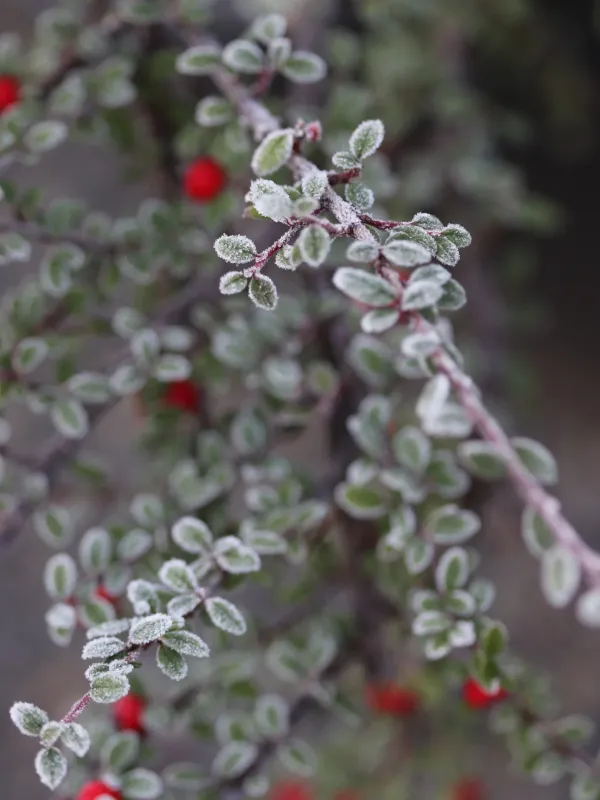
Description
Growing requirements
Cotoneaster hodjingensis is a deciduous shrub belonging to the Rosaceae family. It is widely recognized for its robust growth habit and versatility in landscape architecture, serving both as a solitary specimen and a foundation for dense hedges.
The plant originates from the high-altitude regions of Central Asia. Its natural habitat, characterized by rocky terrain and variable temperatures, has shaped its remarkable resilience and ability to thrive in challenging environments.
Regarding soil conditions, this species prefers well-drained, slightly alkaline to neutral substrates. While it is adaptable to different soil types, avoiding waterlogged conditions is essential for root health and overall vigor.
The species demonstrates excellent cold hardiness, making it suitable for temperate climates. It retains its ornamental appeal throughout the growing season, producing delicate flowers followed by persistent fruits.
Standard horticultural practices for this shrub involve spring pruning to maintain desired architecture and promote denser branching. Once established, it becomes highly drought-tolerant, requiring minimal supplemental irrigation.
Main diseases and pests
Like many species within the Rosaceae family, Cotoneaster hodjingensis can be susceptible to powdery mildew during humid weather. Maintaining proper spacing between plants ensures better air circulation and reduces infection risk.
Aphid infestations represent a common threat to new growth during the spring season. Early detection and application of mild insecticidal soaps are usually sufficient to manage these populations effectively.
Scale insects may occasionally colonize the bark, potentially weakening the plant if left unchecked. Physical removal or specialized oil treatments are effective control measures for minor infestations.
Fire blight is a more serious concern, requiring immediate pruning of infected branches. Disinfecting tools between cuts is a mandatory practice to prevent the cross-contamination of healthy tissues.
Regular monitoring of the foliage and stems allows for the early identification of potential stress factors, ensuring that the shrub remains healthy and visually appealing throughout its lifecycle.