
Hissar cotoneaster
Cotoneaster hissaricus
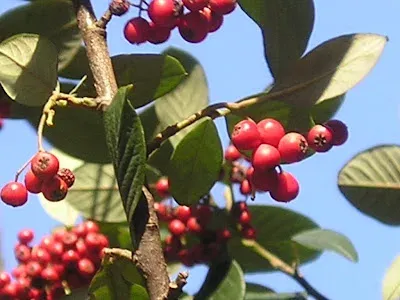
Description
Growing requirements
Hissar cotoneaster (Cotoneaster hissaricus) is a deciduous shrub belonging to the Rosaceae family. Native to the mountain regions of Central Asia, specifically the Hissar Range, this species has evolved to withstand diverse ecological conditions.
The plant thrives in full sun or partial shade. It is highly versatile regarding soil types, performing well even in rocky or poor soils, provided they offer good drainage. It is an excellent choice for stabilizing slopes and preventing soil erosion.
Regarding climate requirements, this species is noted for its high frost resistance and drought tolerance. However, it requires well-aerated soil to prevent root rot, which is a common issue in poorly drained, heavy clay areas.
Cultural practices should focus on spring pruning to remove dead or overlapping branches, which promotes vigorous vegetative growth. Occasional fertilization with balanced nutrients during the active growing season enhances both foliage density and berry production.
In landscaping, this shrub is valued for its compact growth habit and brilliant red fruits, which persist well into the winter. It serves both aesthetic and functional roles in public parks, residential gardens, and erosion control projects.
Main diseases and pests
Like many members of the rose family, Hissar cotoneaster is susceptible to powdery mildew. This fungal issue is most prevalent during periods of high humidity and poor air circulation, necessitating strategic spacing of plants.
Pests such as aphids and spider mites can occasionally affect plant vigor by feeding on young leaves. Integrated pest management, including the use of neem oil or targeted insecticides, is recommended to keep the shrub healthy and productive throughout the year.