
Hesse cotoneaster
Cotoneaster hessei
Description
Growing requirements
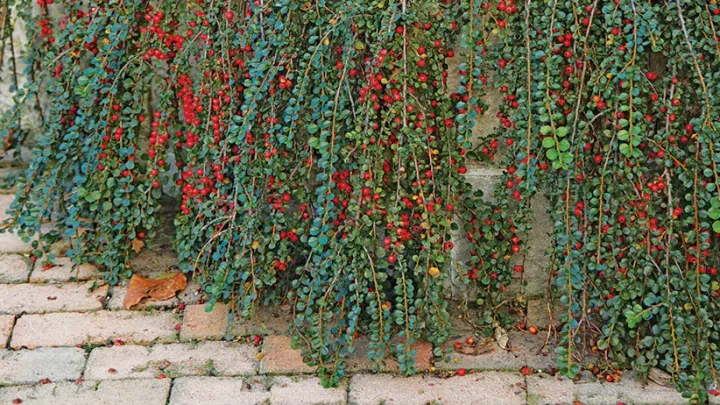
Hesse cotoneaster (Cotoneaster hessei) is a deciduous ornamental shrub belonging to the Rosaceae family. It is highly valued in horticulture for its dense growth habit and elegant foliage.
The shrub thrives in sunny to partially shaded positions. Full sun exposure is recommended for the most vibrant leaf color and consistent growth throughout the spring and summer months.
It prefers well-drained, fertile soil but is notably adaptable to various soil types. Ensuring proper drainage is critical, as stagnant water can damage the root system and inhibit healthy development.
This species is recognized for its significant winter hardiness, allowing it to be cultivated across a wide range of climates. It is relatively low-maintenance once established, requiring only minimal watering during prolonged dry spells.
Maintenance includes routine pruning to encourage branching and shaping. As an ornamental plant, it is widely utilized for hedging, ground cover, and as a structural element in modern landscape architecture.
Main diseases and pests
Common pests affecting this species include aphids and scale insects. Regular inspection of the foliage is essential to detect early infestations and apply appropriate organic or chemical control methods.
Powdery mildew represents the primary fungal challenge, often occurring in environments with poor airflow or high humidity. Maintaining proper spacing between plants is an effective preventative measure to ensure airflow.