
Hebephyllus cotoneaster
Cotoneaster hebephyllus
Description
Growing requirements
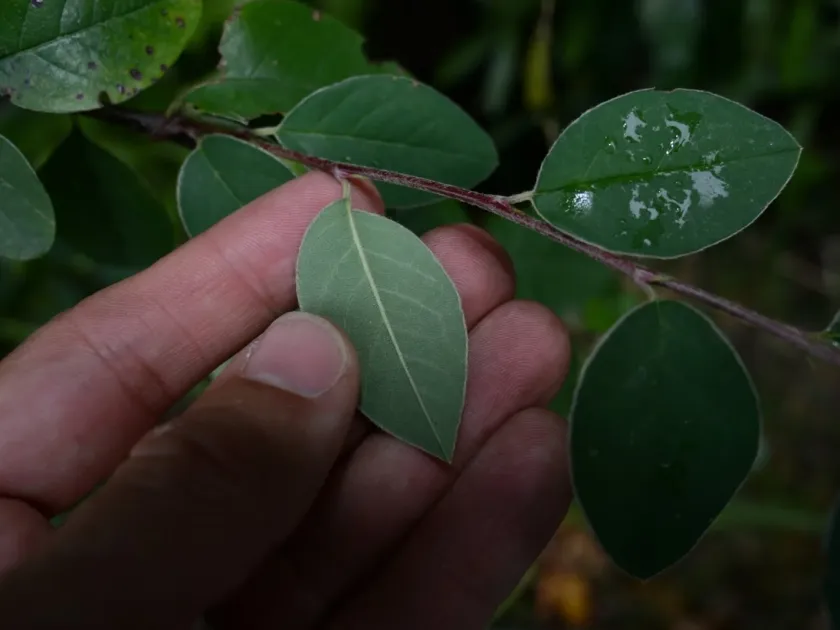
Cotoneaster hebephyllus is a perennial deciduous shrub belonging to the Rosaceae family. It is valued for its dense foliage and elegant, spreading growth habit.
The species is native to mountainous regions of China, where it has evolved to thrive in rocky environments with varying temperature profiles and moisture levels.
This shrub requires full sun to partial shade for optimal growth. Exposure to sufficient sunlight is crucial for maintaining a compact shape and healthy leaf color.
The soil requirements are flexible, but the plant performs best in well-drained loam or sandy soils with a neutral pH, avoiding sites prone to waterlogging.
Due to its hardy nature, it is widely utilized in landscape design as a hedging plant, a ground cover, or a specimen shrub in rock gardens and urban parks.
Main diseases and pests
The main pathological threats include fungal infections such as powdery mildew and fire blight, which can severely impact the vigor of the plant during humid summers.
Pests like aphids, scale insects, and spider mites are known to infest Cotoneaster species, potentially causing chlorosis and premature leaf shedding.
Proper aeration is essential to mitigate disease risk; therefore, regular pruning and thinning of the interior branches are recommended as part of routine maintenance.
Regular monitoring of foliage during the active growing season allows for the early detection of pests, enabling targeted control before large populations establish.
In cases of severe infestation, using horticultural oils or specialized insecticides is necessary to ensure the long-term health and aesthetic appeal of the shrub.