
Cotoneaster harrysmithii
Cotoneaster harrysmithii
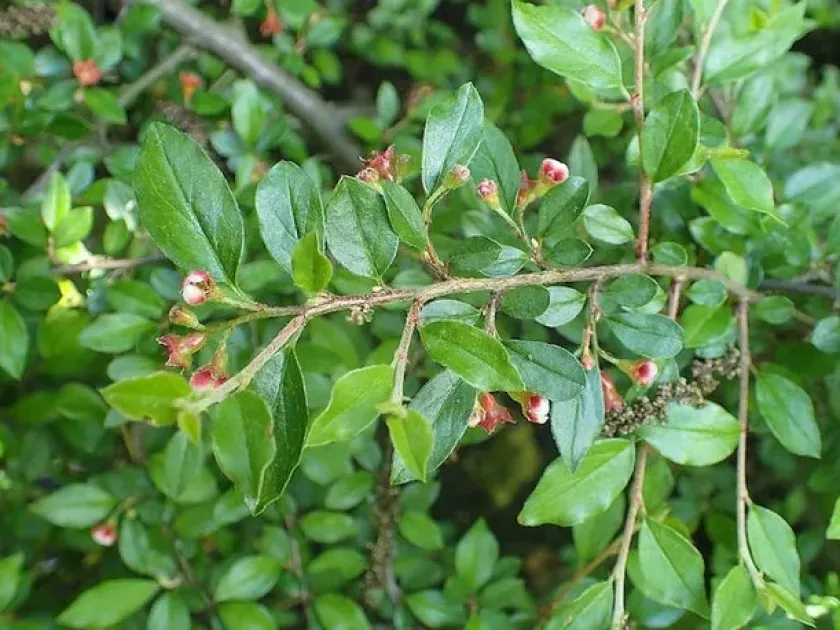
Description
Growing requirements
Cotoneaster harrysmithii is a distinguished perennial shrub belonging to the Rosaceae family. Known for its elegant architecture and seasonal interest, this species is highly regarded in horticultural circles for its aesthetic appeal and structural versatility.
The plant originates from the mountainous regions of China, where it evolved to thrive in specific temperate conditions. In modern cultivation, it is typically grown as an ornamental plant that prefers sunny to semi-shaded locations with well-draining soil structures.
When selecting a planting site, it is crucial to ensure that the soil is fertile and allows for adequate aeration. The plant is sensitive to waterlogged conditions, which can lead to root system decay; therefore, installing a drainage layer is often necessary.
Maintenance requirements for this species are relatively modest. Regular watering is essential during the initial establishment phase and during prolonged dry spells. Once established, the shrub shows good resilience and requires minimal intervention aside from occasional fertilizing.
Landscape applications include planting in shrub borders, creating medium-height hedges, or using the plant as a focal point in rock gardens. Its ability to provide both visual texture through its foliage and seasonal color via its berries makes it a valuable asset.
Main diseases and pests
Common health issues include fungal diseases such as powdery mildew, which often occur in environments with poor airflow. Maintaining correct planting distance and performing regular thinning cuts can significantly reduce the risk of such infections.
Pests like aphids and spider mites can occasionally affect the plant by feeding on the sap of young stems and leaves. If an infestation occurs, application of appropriate insecticides or horticultural oils is recommended to restore the plant's health.