
Garnet cotoneaster
Cotoneaster granatensis
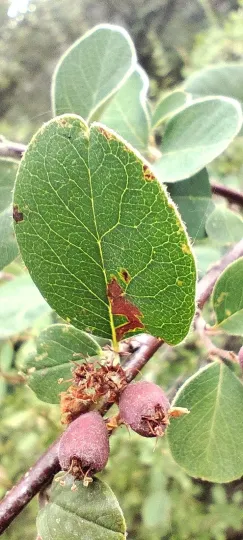
Description
Growing requirements
Garnet cotoneaster Cotoneaster granatensis is a deciduous shrub belonging to the Rosaceae family. Native to Mediterranean regions, this species is highly valued in horticulture for its resilience and striking seasonal changes, particularly its ornamental berries.
The plant thrives in full sun but adapts well to partial shade. To ensure optimal growth, it requires a location with excellent air circulation. It is well-suited for temperate climates and exhibits a high degree of cold tolerance once established in the ground.
Soil conditions are critical for the health of this species. It prefers well-draining, slightly alkaline to neutral soil. Waterlogging must be avoided at all costs, as the root system is sensitive to low oxygen levels caused by excessive moisture retention.
Botanically, it features dense, twiggy growth and small, ovate leaves. The fruit, which resembles a garnet in color, serves as an excellent source of food for local bird species during the autumn and early winter months, adding ecological value.
Cultivation practices involve regular pruning to maintain the desired shape and density. It is widely used in landscape architecture for ground cover, hedge creation, and slope stabilization, effectively reducing soil erosion in garden environments.
Main diseases and pests
Fire blight is a significant threat to members of the Rosaceae family, including cotoneasters. Monitoring for wilting branches and implementing strict sanitation by removing infected plant parts is essential for long-term survival.
Aphids and scale insects are common pests that may infest the stems and undersides of leaves. Integrated pest management strategies, such as introducing natural predators or applying horticultural oils, are effective control methods for keeping the shrub healthy.