
Glaucous-leaf cotoneaster
Cotoneaster glaucophyllus
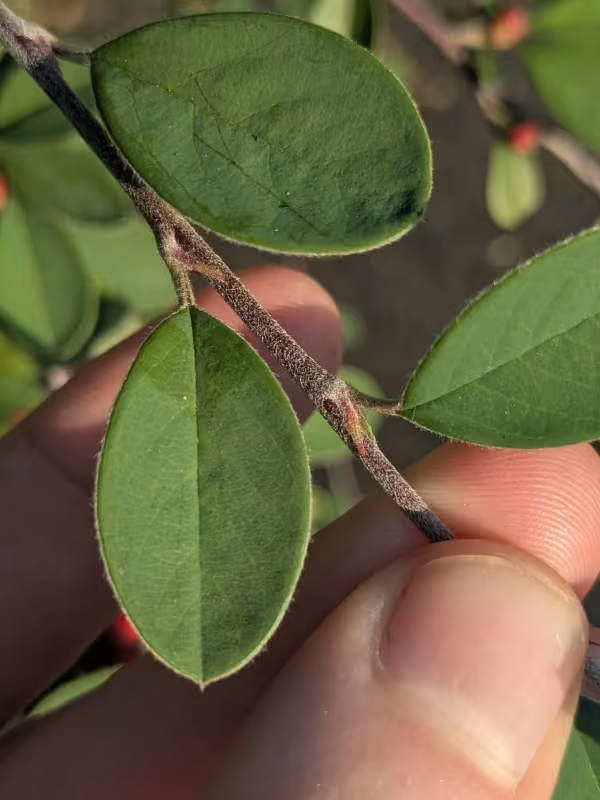
Description
Growing requirements
The glaucous-leaf cotoneaster (Cotoneaster glaucophyllus) belongs to the Rosaceae family. It is an evergreen or semi-evergreen densely branched shrub, highly valued in agronomy and landscaping for its significant ornamental qualities.
Originating from China, the plant is characterized by leathery leaves with a distinct glaucous (bluish-gray) hue on the underside, which gives it its botanical name. It reaches heights of 2-3 meters, developing a wide, spreading crown with gracefully arching branches.
For successful cultivation, this crop requires sunny locations or light partial shade. It possesses moderate drought tolerance, although it necessitates supplemental irrigation during peak summer heat to maintain leaf turgor and vitality.
The plant is not overly demanding regarding soil conditions, though it prefers well-drained, fertile loams with a neutral to slightly alkaline pH. Excessive moisture in the root zone is detrimental, making proper drainage essential on heavy clay soils.
In terms of practical use, this species is most often employed for creating dense privacy hedges, individual garden specimens, or mass plantings. Due to its ability to tolerate heavy pruning, it is a valuable asset for topiary and slope stabilization.
Main diseases and pests
Like other members of the Rosaceae family, Cotoneaster glaucophyllus is susceptible to specific diseases. The most frequent risks include powdery mildew and various leaf spots, which tend to proliferate in conditions of high humidity.
Regarding pests, aphids and spider mites pose the greatest threat, as they feed on the sap of young, tender shoots. If infestations are severe, the aesthetic appeal of the shrub declines sharply, and annual growth rates are significantly hindered.
To combat fungal infections, preventive spraying with copper-based fungicides is recommended during early spring and mid-vegetation periods to inhibit spore development.
Systemic insecticides are highly effective against sap-sucking insects. A critical component of good agricultural practice is maintaining shrub health through regular sanitary pruning of damaged or weak branches.
Consistent care, including balanced nutrition and avoiding overcrowding in the canopy, minimizes the risk of outbreaks, ensuring the plant remains resilient and visually attractive throughout the growing season.