
Cotoneaster glabratus
Cotoneaster glabratus
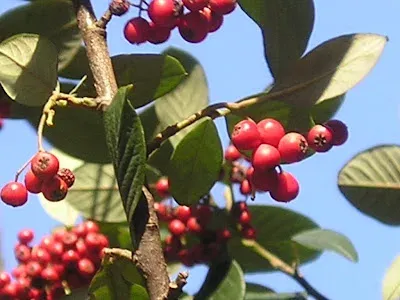
Description
Growing requirements
Cotoneaster glabratus is a distinctive shrub belonging to the Rosaceae family. Native to the mountainous regions of China, this species is highly valued for its glossy foliage and structural versatility in landscape architecture, being suitable for hedges and ground cover.
The plant thrives in well-drained, nutrient-rich soils with a neutral or slightly alkaline pH. While it is hardy and can withstand moderate frost, it requires protection from harsh, drying winds in regions with severe winters to prevent desiccation of the evergreen or semi-evergreen foliage.
Exposure to full sunlight is preferred to ensure optimal development and denser foliage growth. However, the shrub exhibits good shade tolerance, which makes it an excellent choice for varied garden placements where light conditions may fluctuate throughout the growing season.
Routine maintenance includes structural pruning, which should be performed in late winter or early spring before the buds break. This practice enhances the plant's natural habit and encourages the production of new, vigorous branches that will thicken the canopy over time.
Irrigation management is vital during the first few years after planting. Once the root system is established, the plant becomes quite drought-tolerant. Mulching the base of the shrub helps maintain soil temperature and moisture levels, significantly reducing the need for constant watering.
Main diseases and pests
Cotoneaster glabratus can be susceptible to common fungal pathogens, including fire blight and leaf spots. These infections are often promoted by high humidity and poor air circulation within the shrub canopy, emphasizing the need for proper spacing during planting.
Insect pests such as aphids, spider mites, and scale insects frequently target young foliage. Monitoring the undersides of the leaves during the early summer months is critical, as early detection allows for the effective application of horticultural oils or soaps.
Root rot is a major threat if the plant is situated in waterlogged soil. Ensuring adequate soil aeration and correct drainage placement prevents the accumulation of water around the root collar, which is a primary prerequisite for maintaining long-term vitality.
Cultural practices such as removing fallen leaves and pruning dead or diseased wood are effective non-chemical methods for reducing the inoculum of common diseases. Maintaining good hygiene in the garden area is the first line of defense for this shrub.
In cases of severe infestation, systemic fungicides or insecticides may be required. Always ensure that the treatment is applied during calm weather to prevent drift and ensure the substance reaches the target area on the plant's stems and leaves.