
Cotoneaster fruticosus
Cotoneaster fruticosus
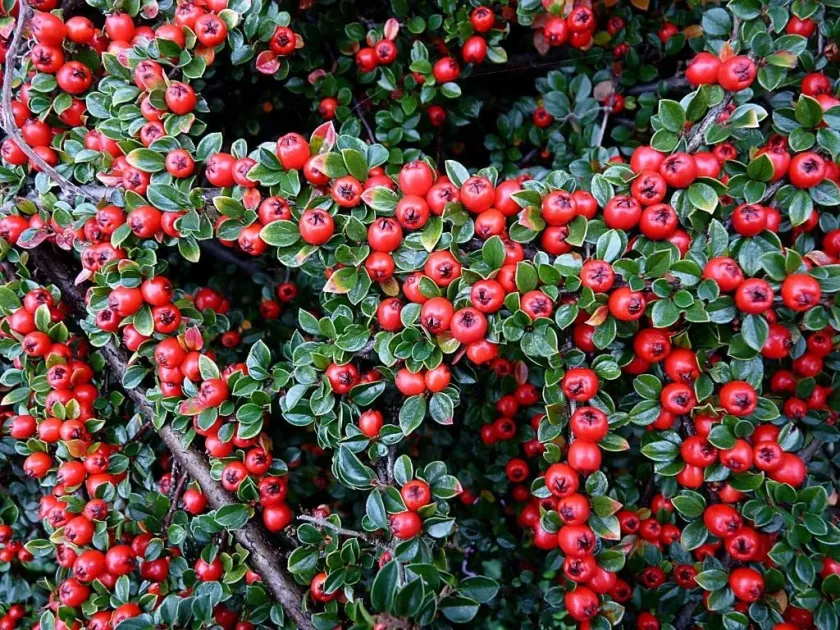
Description
Growing requirements
Cotoneaster fruticosus is a hardy shrub belonging to the Rosaceae family. It is widely recognized for its aesthetic value, featuring dense foliage and attractive berries that persist well into the winter months.
The plant thrives in well-drained, fertile soil and prefers sunny locations to partial shade. While it is highly adaptable, it shows optimal growth rates in neutral to slightly alkaline pH soils with moderate moisture levels.
Originating from temperate regions, this species is known for its remarkable winter hardiness. It is frequently employed in urban landscaping due to its resilience against environmental pollutants and minimal maintenance requirements.
Cultivation practices involve routine pruning to manage size and density. Applying balanced slow-release fertilizers in early spring is sufficient to maintain vigorous vegetative growth throughout the season.
Cotoneaster fruticosus is highly valued for its utility in ecological restoration, specifically for erosion control on slopes, thanks to its extensive and fibrous root system that effectively stabilizes soil structure.
Main diseases and pests
The plant is susceptible to fungal issues such as powdery mildew and leaf spot. Proper spacing between individual plants is essential to ensure adequate airflow and reduce humidity levels within the canopy.
Pests like aphids and spider mites may infest the plant, particularly during dry spells. Monitoring the undersides of leaves is critical to catching infestations at an early stage before significant damage occurs.
Fire blight represents a significant bacterial threat to members of the Rosaceae family. Immediate removal of affected branches is necessary to prevent the disease from spreading to the plant's main stem.
To maintain plant health, it is recommended to avoid overhead irrigation, which creates favorable conditions for fungal growth. Drip irrigation systems are preferred for maintaining consistent soil moisture without wetting the foliage.
Integrated pest management strategies should prioritize biological controls, such as introducing beneficial insects, before resorting to broad-spectrum chemical pesticides to ensure the longevity of the shrub.