
Himalayan cotoneaster
Cotoneaster frigidus
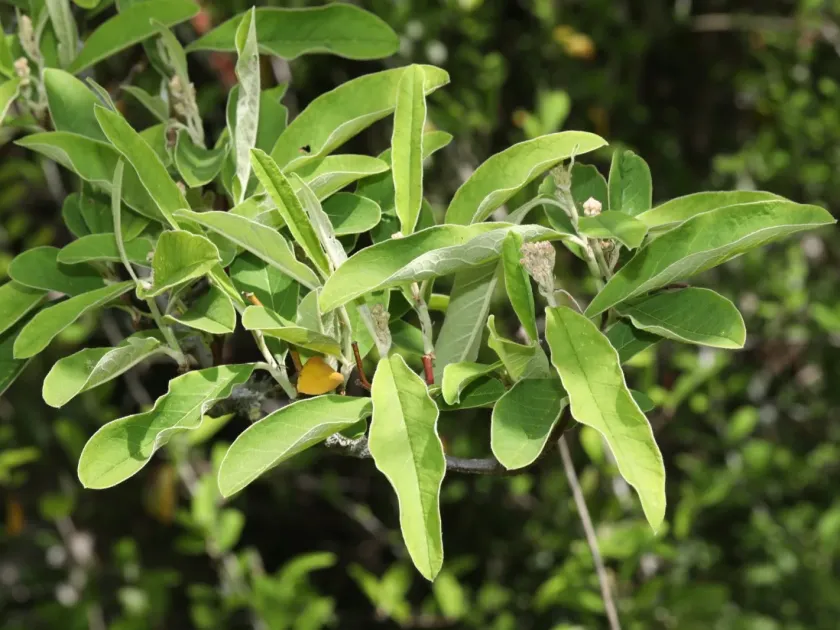
Description
Growing requirements
The Himalayan cotoneaster (Cotoneaster frigidus) is a deciduous or semi-evergreen shrub belonging to the Rosaceae family. Originating from the Himalayan mountains, the species is well-adapted to cooler climates, which makes it a resilient choice for temperate landscape cultivation.
Successful growth requires well-drained, fertile soils with a neutral to slightly alkaline pH. The shrub is highly sensitive to waterlogging, therefore on heavy clay soils, it is essential to install a deep drainage layer of gravel or crushed brick to ensure root health.
The plant performs best in full sun or light shade conditions. Despite its common name, the species has moderate winter hardiness: in harsh snowless winters, young saplings may suffer frost damage, requiring mulch or protective covering around the base during the first few years.
This species is characterized by its vigorous growth rate, often reaching heights of 4 to 6 meters. Mature specimens develop a wide, spreading habit with distinct arching branches, which require sufficient space to achieve a full and balanced architectural form.
Cultivation practices include regular sanitary pruning, performed in early spring before active sap flow begins. The shrub responds well to balanced complex mineral fertilizers applied during the peak growing season to support foliage development and berry production.
Main diseases and pests
The primary threats to this species include fungal infections, with Fusarium wilt being the most destructive. If symptoms appear, affected branches must be pruned immediately and destroyed to prevent the spread of the pathogen throughout the shrub.
Powdery mildew is another common issue, particularly during periods of high humidity. To prevent outbreaks, it is recommended to avoid overhead watering and ensure proper air circulation throughout the foliage by managing spacing during planting.
Pest damage is often caused by apple aphids, which suck sap from the tender new growth. Effective management involves the use of systemic insecticides as soon as the first colonies are observed to prevent stunted growth and leaf curl.
Scale insects can be hidden on the stems and branches, leading to gradual decline and vigor loss. Periodic visual inspection of the bark is necessary, utilizing horticultural oil sprays or specific systemic treatments to control infestation levels.
Spider mites can become a nuisance during hot, dry spells. Monitoring for webbing and leaf mottling is critical, with the application of acaricides ensuring that the health and ornamental value of the plant are preserved throughout the season.