
Cotoneaster foveolatus
Cotoneaster foveolatus
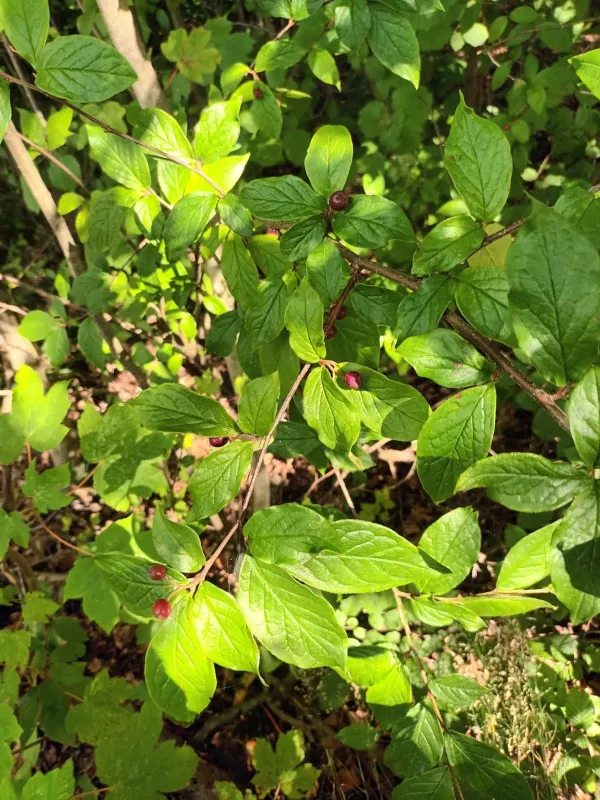
Description
Growing requirements
Cotoneaster foveolatus is a deciduous shrub belonging to the Rosaceae family, native to the mountain regions of China. It is highly regarded in horticulture for its vigorous upright growth, attractive glossy foliage, and dramatic transformation during the autumn season.
This species requires well-drained, fertile soil and prefers sunny to partially shaded locations to achieve optimal foliage color and fruit production. It shows excellent adaptability to various soil types, provided that moisture management is consistent during the establishment phase.
The plant is noted for its high cold hardiness, making it suitable for a wide range of climates. It is also quite tolerant of urban pollution, which enhances its value for landscaping in metropolitan areas and industrial zones where air quality may be an issue.
Agrotechnical practices include regular pruning to maintain structural integrity and improve air circulation within the canopy. Applying balanced organic fertilizers in early spring helps promote healthy growth and increases the plant's resistance to environmental stress.
Its primary use is in landscape design, where it serves effectively as a large hedge, a standalone specimen, or part of a mixed border. The shrub is particularly valued for its brilliant autumn hues and long-lasting red fruits that persist into winter.
Main diseases and pests
Like many Rosaceae members, Cotoneaster foveolatus is susceptible to fire blight, a serious bacterial disease. Prompt removal of infected branches and strict tool sanitation are essential to prevent the spread of the pathogen throughout the shrubbery.
Powdery mildew can be a persistent issue, especially in humid or poorly ventilated planting sites. Preventive measures include ensuring proper plant spacing and applying appropriate fungicides whenever the first symptoms of white fungal growth appear.
Aphids are the most common insect pests, often congregating on tender new shoots. These infestations can cause leaf curling and stunted development, necessitating the use of systemic or contact insecticides during the peak growth season.
Spider mites can also cause damage by feeding on the undersides of leaves, leading to chlorosis and early leaf drop. Maintaining proper humidity levels and using specific acaricides are recommended to control mite populations in arid conditions.
Vigilance and proactive care, including regular inspection and maintaining plant vigor, are the best defense strategies for keeping this shrub healthy and free from common pests and pathogens.