
Cotoneaster fangianus
Cotoneaster fangianus
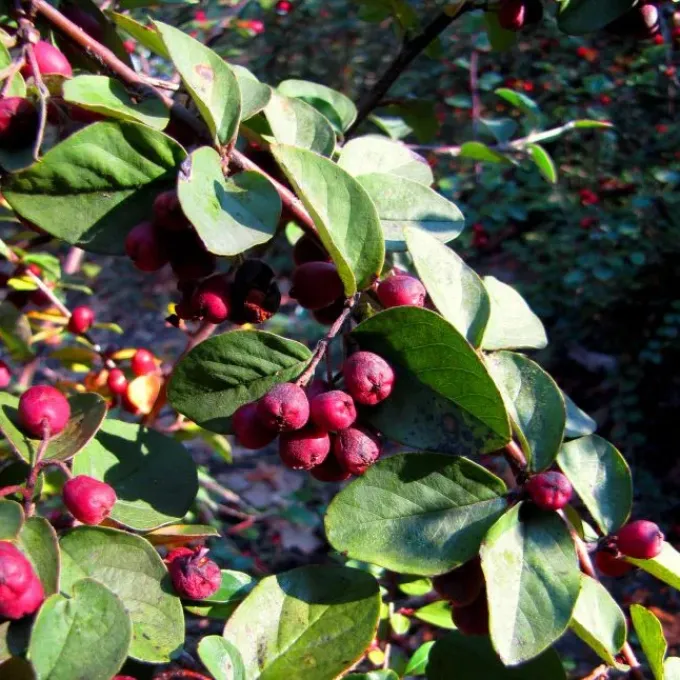
Description
Growing requirements
Cotoneaster fangianus is a decorative woody shrub belonging to the Rosaceae family. It is highly valued for its dense foliage and attractive growth habit, which makes it a popular choice for various landscaping applications.
Originating from the mountainous regions of China, this species is naturally adapted to rugged environments. It thrives in temperate climates and prefers well-drained soils, reflecting its evolutionary background in rocky or semi-forested slopes.
The cultural requirements for this plant include a sunny to partially shaded location. Adequate light exposure is essential for maintaining the characteristic density of the shrub and promoting the development of healthy, vibrant foliage throughout the year.
Regarding soil preferences, it favors fertile, loamy, or sandy substrates with neutral to slightly acidic pH levels. Proper moisture management is critical, as the roots are sensitive to prolonged waterlogging, which can easily lead to root decay.
Maintenance involves routine pruning to shape the plant and remove dead or diseased wood. This practice not only preserves the aesthetic appearance of the shrub but also facilitates better air circulation, which is vital for long-term health.
Main diseases and pests
Like many members of the Rosaceae family, Cotoneaster fangianus is susceptible to fungal diseases such as powdery mildew and various leaf spot infections. These issues typically emerge during humid seasons or in poorly ventilated planting conditions.
Insect pests, particularly aphids and scale insects, are common threats that target young shoots. Infestations can drain the plant of nutrients, so proactive monitoring of the undersides of leaves is recommended for early detection and control.
Fire blight is another potential risk that must be managed with strict hygiene practices. If infected tissue is identified, it should be pruned back to clean wood immediately, with tools sterilized between every cut to prevent cross-contamination.
Preventative applications of fungicides and insecticides can be used as part of an integrated pest management strategy. Such treatments help protect the shrub's vigor, especially during the vulnerable stages of spring growth.
Maintaining a balanced nutritional status through appropriate fertilization strengthens the plant's natural defenses. A well-nourished shrub is significantly more resilient to environmental stress and less likely to fall victim to recurring pest outbreaks.