
Spreading cotoneaster
Cotoneaster divaricatus
Description
Sowing dates
Propagation of Cotoneaster divaricatus is primarily performed through seeds sown in autumn. Fresh seeds typically exhibit high germination rates, especially when exposed to natural cold stratification throughout the winter months.
For spring sowing, seeds must undergo artificial stratification at temperatures between 3 and 5 degrees Celsius for approximately three to four months to break dormancy and ensure uniform seedling emergence.
Vegetative propagation via semi-hardwood cuttings is highly effective for maintaining specific shrub characteristics. Cuttings are best taken in mid-summer and rooted in a moist, peat-based medium under shaded conditions.
When transplanting nursery-grown plants, the hole should be twice the width of the root ball. Early spring is considered the ideal time for planting to allow the root system to establish before the onset of summer heat.
Spacing requirements vary depending on the desired landscape effect. For hedges, planting 40 to 60 centimeters apart ensures a dense, intertwined structure as the shrubs mature over time.
Growing requirements
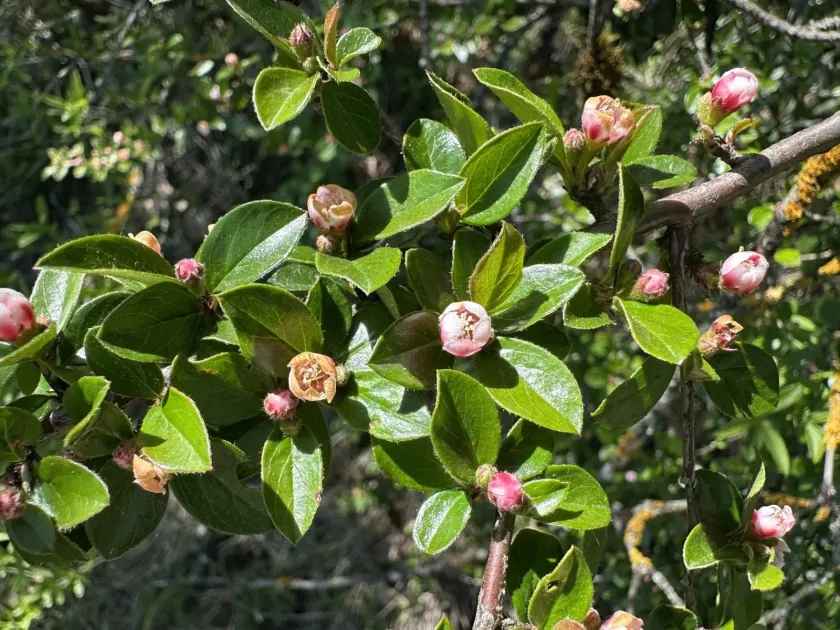
Spreading cotoneaster is a member of the Rosaceae family, native to central China. It is highly valued in horticulture for its arching branches, glossy green leaves, and brilliant red berries that persist late into the autumn season.
The shrub thrives in full sun but maintains good growth in partial shade. Optimal sunlight exposure is critical for achieving the characteristic bright red fall foliage and maximizing fruit production in adult specimens.
This species is remarkably adaptable to various soil types, provided that the ground is well-drained. It is known for its tolerance to drought once established, making it a low-maintenance choice for dry landscaping areas.
Regarding climate, the plant exhibits good winter hardiness. In regions with harsh winters, young plants should be protected with a layer of mulch to prevent root damage during deep freezing events.
Routine maintenance includes occasional pruning to remove dead or diseased wood. Shaping should be done carefully to preserve the natural, graceful arching habit that defines this specific cotoneaster species.
Main diseases and pests
Aphids are the most common pest affecting this crop. They tend to colonize the tips of young shoots, leading to stunted growth and leaf curling, which can significantly detract from the plant's aesthetic value.
Scale insects can also infest the stems, appearing as small, bump-like structures. These pests extract sap from the plant, potentially causing branch dieback if the infestation is left unmanaged over a long period.
Fungal diseases, such as leaf spot, may occur in conditions with poor air circulation or excessive moisture. Improving spacing between plants is an effective cultural practice to mitigate these risks naturally.
In cases of severe fungal infection, the application of copper-based fungicides or systemic treatments can help restore plant health. It is essential to strictly follow label instructions to avoid phytotoxicity.
Monitoring the plant during the growing season is crucial for early intervention. Promptly pruning away heavily infected branches helps contain the spread of pests and diseases to healthy parts of the shrub.