
Diels cotoneaster
Cotoneaster dielsianus
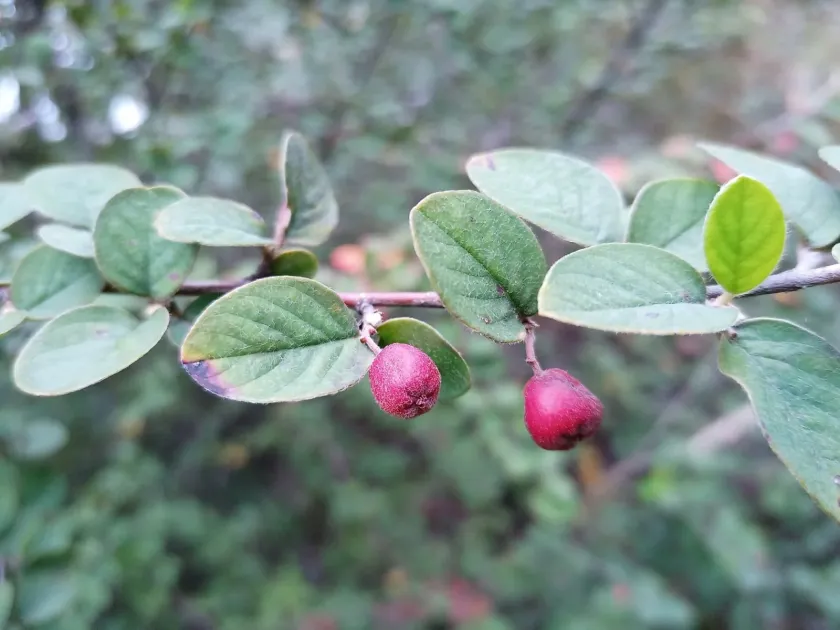
Description
Growing requirements
The Diels cotoneaster (Cotoneaster dielsianus) is a distinguished deciduous shrub belonging to the Rosaceae family. It is widely recognized for its arching branches and brilliant red berries that persist late into the autumn.
Native to western China, this species thrives in mountainous environments. Its natural habitat includes rocky slopes and forest edges, which makes the plant naturally robust and capable of tolerating various environmental stresses.
Diels cotoneaster requires full sun to partial shade conditions to maintain its dense growth habit. While it is adaptable to many light situations, the best flowering and fruiting occur when the shrub receives at least six hours of direct sunlight.
The soil requirements are relatively flexible; however, the plant prefers well-drained, fertile loams. It can tolerate slightly alkaline or acidic soil, provided that the drainage remains efficient to prevent root rot.
This shrub is highly valued for its ornamental versatility in landscaping. It works effectively as an individual specimen, in mass plantings, or as an informal hedge, providing structural interest throughout the changing seasons.
Main diseases and pests
Diels cotoneaster is susceptible to fire blight, a bacterial disease that causes sudden wilting and blackening of leaves. Immediate pruning of infected parts and disinfection of tools are crucial to stop the spread.
Fungal infections such as leaf spot and rust are common in humid climates. These conditions often manifest as discolored patches on foliage, which can lead to premature leaf drop if not managed correctly with fungicide applications.
Pests like aphids, mites, and scale insects often target the succulent new growth of the plant. These pests feed on sap, which weakens the overall vigor and can lead to secondary fungal growth on honeydew deposits.
Integrated pest management strategies are recommended. This includes the use of horticultural oils for scale control and maintaining plant vigor through appropriate irrigation and nutrient management to withstand light infestations.
Proper spacing during planting is a fundamental preventive measure. Ensuring adequate air circulation between individual plants reduces the humidity levels within the foliage canopy, thereby decreasing the likelihood of fungal outbreaks.