
Cotoneaster crispii
Cotoneaster crispii
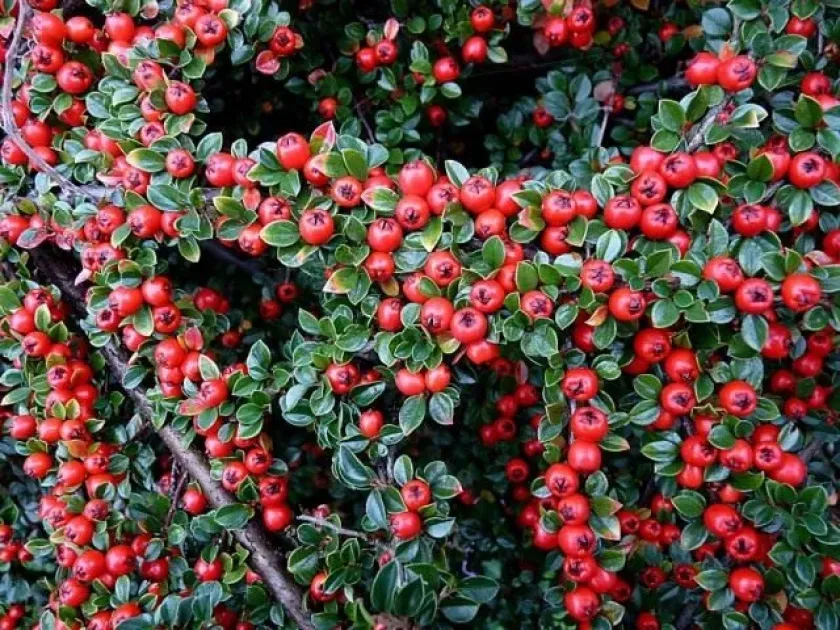
Description
Growing requirements
Cotoneaster crispii is a notable member of the Rosaceae family, frequently utilized in ornamental landscaping for its unique structure and foliage. This shrub is valued for its hardiness and aesthetic appeal in various garden compositions.
Originating from mountain areas of Asia, the plant has adapted to withstand varying environmental conditions. It thrives in temperate zones, showing excellent tolerance to seasonal shifts and temperature fluctuations.
The species prefers well-draining soil with a neutral to slightly alkaline pH. While it is adaptable, it performs best in soils rich in organic matter that provide consistent but non-excessive moisture to the root system.
For optimal growth and density, Cotoneaster crispii requires a location with full sun or partial shade. Exposure to sunlight is crucial for maintaining the plant's characteristic form and promoting healthy bloom cycles.
Maintenance involves regular pruning to manage size and density. Spring is the ideal time for shaping, which also encourages the development of new, vigorous branches for a lush appearance throughout the summer months.
Main diseases and pests
The shrub is susceptible to common pests such as aphids and spider mites, which typically colonize the underside of leaves. Early detection is key, often requiring manual removal or application of horticultural soaps.
Fungal infections, particularly powdery mildew, can affect the foliage in areas with poor airflow and high humidity. Improving spacing between plants is an effective preventative measure to ensure adequate ventilation.
Root rot can occur in poorly drained soils where water tends to pool. Ensuring a proper drainage layer during the initial planting phase is the most critical step in preventing long-term damage to the plant.
Integrated pest management strategies are recommended, including the use of systemic fungicides and insecticides when necessary. Monitoring the plant throughout the growing season helps in managing potential infestations early.
Maintaining high garden hygiene by removing fallen leaves and debris reduces the overwintering sites for pathogens. A healthy, well-cared-for shrub is naturally more resistant to the majority of common horticultural pests.