
Creeping cotoneaster
Cotoneaster congestus
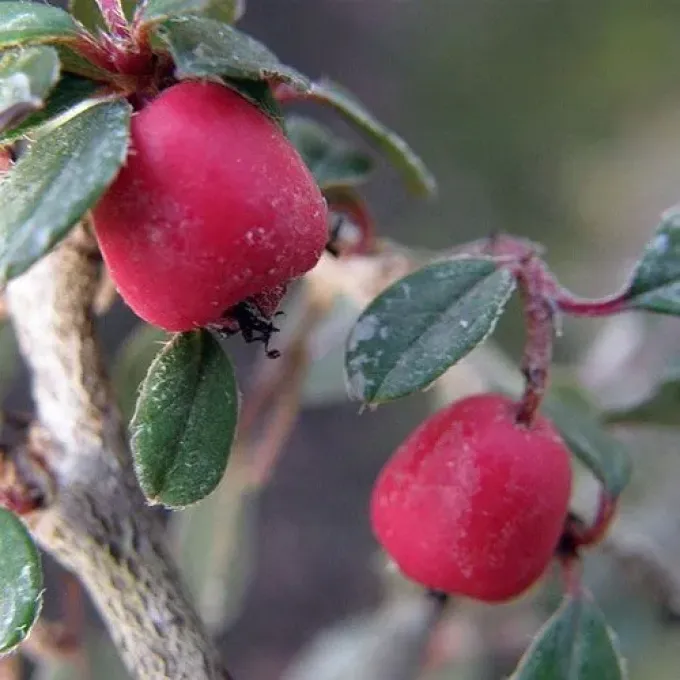
Description
Growing requirements
Creeping cotoneaster (Cotoneaster congestus) is a member of the Rosaceae family. It is a slow-growing, evergreen shrub known for its dense, mounded habit, making it an excellent choice for ground cover in rock gardens and embankments.
Originating from the mountainous regions of the Himalayas and China, this plant is well-adapted to rocky, well-draining soils. Its hardy nature allows it to thrive in environments that would be challenging for less robust landscape shrubs.
Successful cultivation requires soil with excellent drainage. While it is tolerant of various soil types, it performs best in slightly acidic to neutral substrates. Avoiding waterlogged soil is critical to prevent root rot, especially during winter months.
The plant thrives in full sun but can tolerate partial shade. Full sun exposure is recommended to maintain the compact, mound-like structure that makes this species so desirable for ornamental landscaping purposes.
Minimal maintenance is required once established. It is drought-tolerant, but occasional deep watering during extended dry spells will ensure the foliage remains vibrant and thick throughout the growing season.
Main diseases and pests
The main threats to Cotoneaster congestus include fungal issues like leaf spot and blight, which typically occur in overly humid conditions with poor air circulation. Proper spacing during planting is the best preventative measure.
Pests such as aphids and spider mites can infest the plant, particularly during early spring. These pests target succulent new growth, potentially weakening the plant if infestations are left unchecked for long periods.
Integrated pest management should involve periodic visual inspections. If pests are detected, horticultural oils or appropriate systemic insecticides can effectively manage the population without harming the plant's overall health.
Sanitation is key to disease prevention. Pruning away dead or diseased wood helps maintain airflow through the dense foliage, significantly reducing the likelihood of fungal pathogen outbreaks within the shrub's center.
By providing adequate light and maintaining a clean planting environment, you ensure that the Creeping cotoneaster remains a long-lived and attractive feature in your landscape, resistant to both common environmental stressors and pests.