
Kashmir cotoneaster
Cotoneaster cashmiriensis
Description
Growing requirements
Kashmir cotoneaster (Cotoneaster cashmiriensis) is a hardy shrub belonging to the Rosaceae family. Originating from the mountainous regions of the Himalayas, this plant has adapted to diverse climatic conditions, making it a staple in ornamental horticulture.
The shrub thrives in sunny locations but can also tolerate partial shade. Proper drainage is the most crucial requirement for its cultivation; waterlogged soil can lead to root rot, which is the primary cause of failure for young plantations.
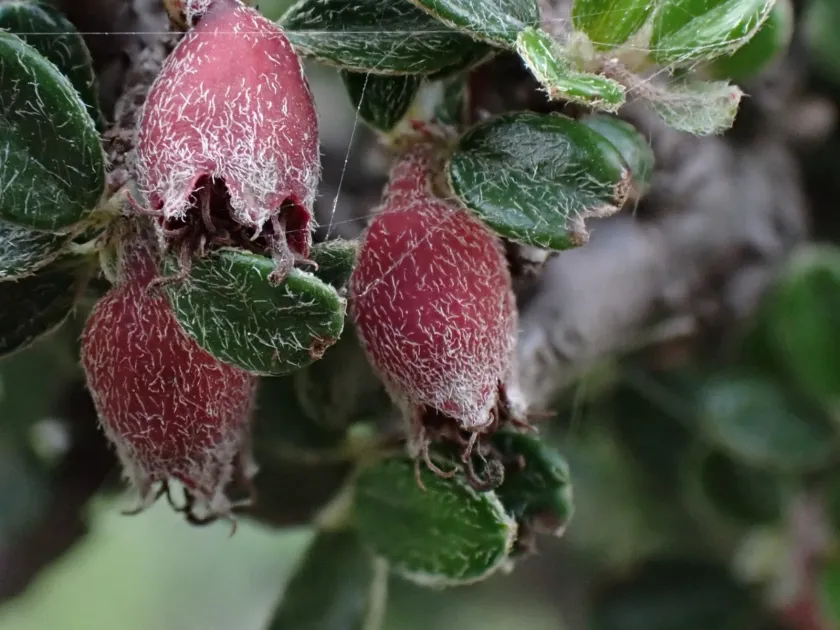
Botanically, this species is recognized for its dense, spreading habit and small, deep-green leaves. It is a slow-growing plant that provides year-round structural interest in garden beds, often producing small, colorful fruits after flowering.
Soil requirements are relatively modest, as the plant prefers well-aerated, loamy soils with a near-neutral pH. Applying organic mulch around the base of the plant helps maintain soil temperature and moisture levels during the peak of the summer season.
In terms of practical use, it serves as an excellent hedge plant, a slope stabilizer, or a focal point in rock gardens. Its ability to withstand urban pollution makes it a versatile choice for both residential landscapes and municipal greening.
Main diseases and pests
The Kashmir cotoneaster is susceptible to fire blight, a bacterial disease that can rapidly affect members of the Rosaceae family. Infected branches should be pruned back to healthy wood and destroyed immediately to prevent the spread of bacteria.
Aphids and scale insects are the most frequent pests. These pests feed on the sap of young shoots, causing leaf curling and reduced vigor. Regular monitoring and the application of horticultural oils or contact insecticides are recommended.
Fungal infections, such as leaf spot, may occur in humid or overcrowded conditions. Ensuring proper air circulation through regular pruning helps significantly in keeping the plant healthy and disease-free throughout the growing season.
Root rot remains a silent threat if the irrigation regime is not strictly controlled. Gardeners must ensure that the soil dries out slightly between waterings, particularly in regions with high rainfall or heavy clay soil composition.
Maintaining high hygiene standards in the garden, such as cleaning up fallen leaves and sterilizing pruning tools, is essential for minimizing the risk of re-infection by common pathogens that target this hardy ornamental species.