
Welsh cotoneaster
Cotoneaster cambricus
Description
Growing requirements
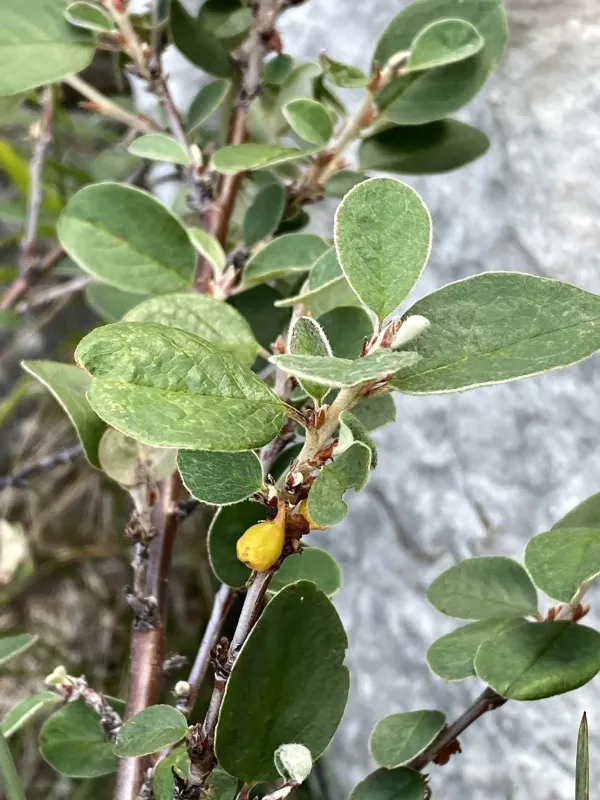
The Welsh cotoneaster (Cotoneaster cambricus) is a rare deciduous shrub belonging to the Rosaceae family, indigenous to the rocky limestone outcrops of North Wales.
This species is highly valued for its compact habit and adaptability, making it a distinct choice for specialized rock gardens and landscape restoration projects.
Regarding cultivation requirements, the plant thrives in well-drained, alkaline-rich soils that mimic its native rocky environment and prevent root zone saturation.
Exposure to full sunlight is essential for this shrub to produce its characteristic red berries and to maintain a dense, healthy branching structure throughout the season.
General maintenance involves light pruning to manage size and shape, ensuring that the plant is not overshadowed by faster-growing vegetation in the garden.
Main diseases and pests
Common biological threats to this species include fungal infections such as apple scab and powdery mildew, which thrive under humid and stagnant airflow conditions.
Pests, particularly aphids, can frequently colonize new growth during the spring, leading to stunted development and the potential transmission of secondary viral diseases.
Fire blight is another significant concern for members of the Rosaceae family, necessitating the prompt removal and disposal of any infected branches to prevent spread.
Effective management strategies should focus on integrated pest control methods, prioritizing environmental conditions that discourage the proliferation of fungal spores.
- Regular monitoring of the foliage for signs of pest infestations.
- Application of horticultural oils if aphid populations exceed economic thresholds.
- Sanitization of pruning tools to prevent the transmission of pathogens between plants.