
Cotoneaster calocarpus
Cotoneaster calocarpus
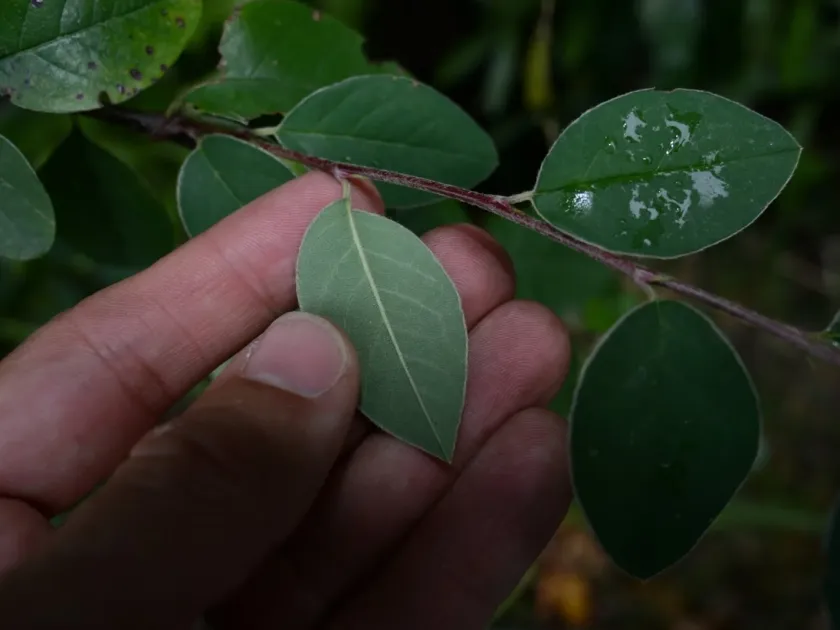
Description
Growing requirements
Cotoneaster calocarpus is a deciduous ornamental shrub belonging to the Rosaceae family. Native to East Asia, it has become a staple in modern horticulture due to its versatility, architectural form, and exceptional resilience to various environmental stresses.
The plant thrives in full sun to partial shade. Its high tolerance for atmospheric pollution makes it an ideal candidate for urban landscaping, roadside plantings, and industrial reclamation projects where other species might fail to establish.
Regarding soil requirements, it prefers well-drained, moderately fertile loams. While it is adaptable to a wide pH range, it performs best in neutral to slightly alkaline conditions. Good drainage is critical, as stagnant water often leads to root-related stress.
Botanically, it is recognized for its dense, spreading habit and glossy foliage that turns vibrant shades of red and orange in the autumn. The profusion of berries, which remain on the branches for extended periods, adds significant winter interest to the landscape.
In terms of usage, the species is highly valued for hedging, border plantings, and slope stabilization. Its fibrous root system effectively binds soil, making it a functional choice for managing erosion in both public and private gardens.
Main diseases and pests
The most significant pathological threats to this shrub include fungal infections such as fire blight. This bacterial disease is notoriously difficult to manage and requires strict sanitation, including the immediate removal and destruction of infected stems.
Powdery mildew represents another common concern, especially in humid or poorly ventilated environments. It manifests as a white, dusty layer on the foliage, which can eventually lead to leaf drop and stunted growth of young shoots.
Pests such as aphids and scale insects frequently target the succulent growth during the spring season. These insects feed on plant sap, and their activity can lead to sooty mold accumulation, further reducing the photosynthetic capacity of the shrub.
Integrated Pest Management (IPM) strategies are highly recommended. This involves monitoring for pest outbreaks and utilizing targeted biological controls or selective insecticides only when thresholds are exceeded to minimize the impact on beneficial insects.
Maintaining vigorous health through proper pruning and balanced fertilization significantly lowers the plant's susceptibility to these threats. A well-nourished plant is consistently better equipped to defend itself against opportunistic pathogens.