
Hollyberry cotoneaster
Cotoneaster bullatus
Description
Growing requirements
The hollyberry cotoneaster (Cotoneaster bullatus) is a deciduous shrub belonging to the Rosaceae family. Native to the mountainous regions of Western China, it has become a staple in ornamental horticulture due to its aesthetic appeal and robust nature. The plant is prized for its year-round decorative qualities and structural integrity in garden layouts.
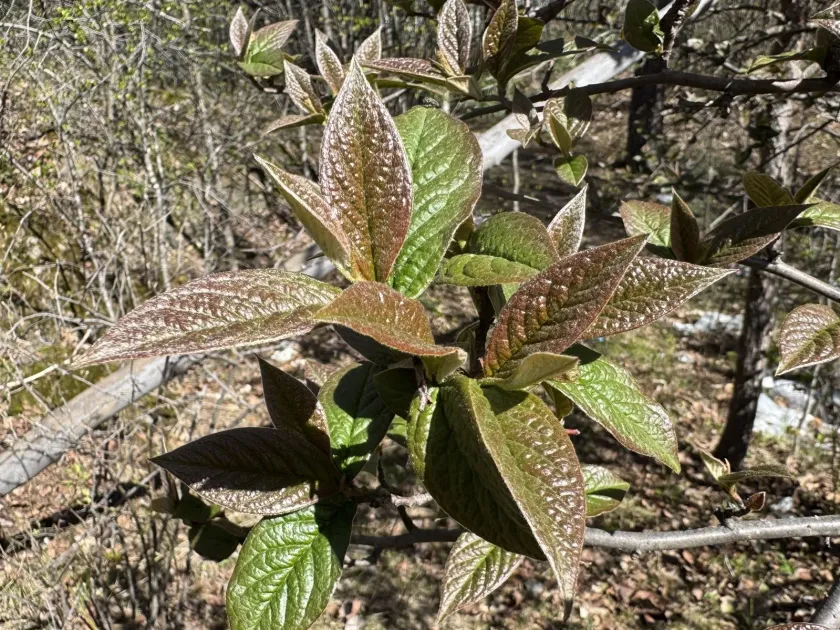
Botanically, this shrub is recognized by its crinkled, rugose leaves which exhibit a deep green color in the summer before turning brilliant shades of red and orange in autumn. It produces clusters of small, pale pink flowers during late spring, followed by bright, glossy red pomaceous fruits that persist well into the cold season.
The cultivation of this species requires well-drained soil and a location with full sun to partial shade. It is remarkably adaptable, thriving in various soil types including rocky or alkaline substrates. Its inherent cold-hardiness makes it a reliable choice for gardens in temperate climates, requiring minimal intervention once established.
Management of the shrub involves basic maintenance such as pruning in early spring to shape the crown and remove damaged wood. It tolerates heavy pruning exceptionally well, making it a preferred choice for formal hedges, windbreaks, or as a dense feature plant in large landscape compositions.
In terms of economic and functional use, the hollyberry cotoneaster is primarily valued for urban landscaping due to its pollution tolerance. It provides ecological value as a food source for local bird populations during the winter. Furthermore, its extensive root system is effective for soil stabilization in slope plantings and erosion control programs.
Main diseases and pests
Common pathological threats include fire blight and fungal leaf spots, which can be exacerbated by poor air circulation or excessive moisture. Maintaining healthy growth through proper spacing and sanitation helps mitigate these risks significantly.
Insect pests such as aphids, spider mites, and cotoneaster webworm can occasionally infest the plant. Integrated pest management strategies, including the use of horticultural oils or systemic insecticides, are recommended when population thresholds are exceeded.