
Cotoneaster bradyi
Cotoneaster bradyi
Description
Growing requirements
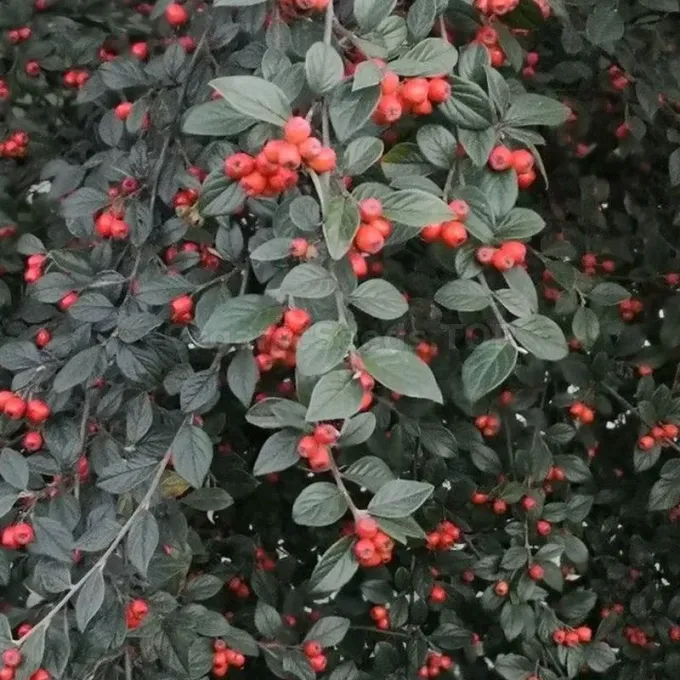
Cotoneaster bradyi is a distinct ornamental shrub belonging to the Rosaceae family. It is widely recognized for its dense habit and small, attractive foliage, which makes it a versatile choice for residential and commercial landscapes.
The shrub thrives in well-drained, fertile soil with a neutral to slightly alkaline pH. While it is adaptable to various soil types, it performs best in positions where soil aeration is high, as the root system is sensitive to waterlogging.
Environmental preferences include full sun to partial shade, which ensures optimal foliage density and overall plant vigor. In colder climates, it is essential to plant in spots sheltered from harsh winter winds to prevent branch dieback.
Cultural practices include spring fertilizing and moderate watering during the initial stages of establishment. Regular pruning is recommended to maintain the plant's structural integrity and to promote lush growth during the following season.
Its primary use is in ornamental landscaping, particularly for low hedges, ground cover, or as a specimen plant in rock gardens. The plant is prized for its ability to provide year-round visual interest and structure to garden compositions.
Main diseases and pests
Cotoneaster species are susceptible to several common pests and diseases that affect the Rosaceae family. Powdery mildew is the most frequent disease, appearing as a white dusting on leaves, especially in humid and poorly ventilated locations.
Fungal leaf spots can also occur, leading to foliage degradation and premature shedding. Maintaining proper spacing and ensuring adequate airflow are the most effective cultural methods for preventing these fungal outbreaks.
Insect pests such as aphids and spider mites can infest the soft, succulent tips of young branches. These pests can significantly reduce the vitality of the plant if left unchecked, causing leaf curling and stunted growth.
Management of these threats involves a combination of manual removal and targeted chemical treatments. Applying horticultural oils or systemic insecticides at the first signs of infestation can help protect the shrub effectively.
- Sanitation through pruning
- Proper site selection
- Regular health monitoring
- Integrated pest management practices