
Cotoneaster boisianus
Cotoneaster boisianus
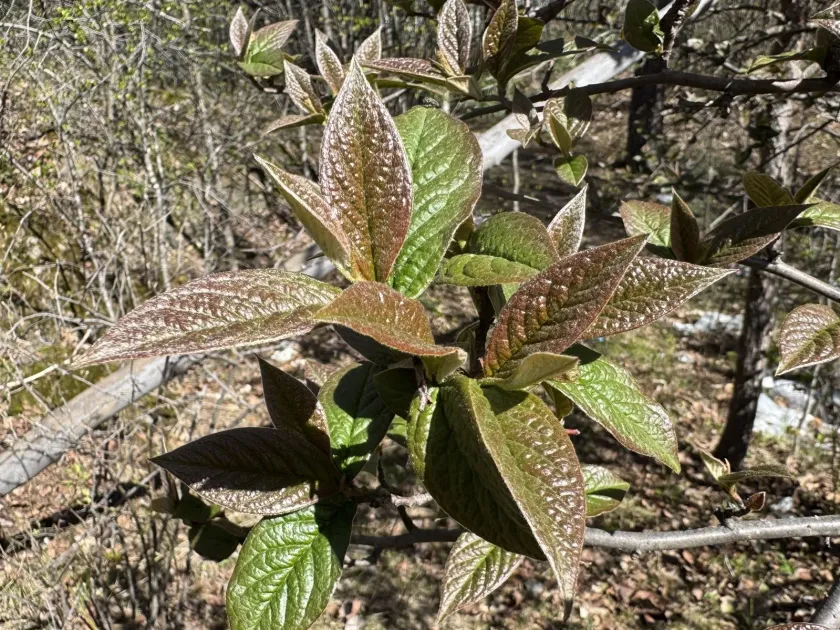
Description
Growing requirements
Cotoneaster boisianus is a decorative shrub belonging to the Rosaceae family. Native to the western regions of China, this plant is valued for its arching branches, dense foliage, and ornamental fruit that persists throughout the winter.
The botanical structure of the shrub is characterized by evergreen to semi-evergreen leaves and small flowers that bloom in early summer. It is widely used in landscape design for borders, foundation plantings, and massed groundcover displays.
Regarding soil requirements, Cotoneaster boisianus thrives in well-drained, fertile soil. It is adaptable to various soil types but performs best in slightly acidic to neutral substrates that provide adequate moisture without waterlogging.
The plant demonstrates good climatic resilience, preferring full sun to partial shade for optimal fruit production and foliage density. Proper site selection is crucial to ensure long-term vigor and to minimize the stress of harsh winter winds.
Cultivation practices focus on regular maintenance, including pruning to manage the shape and size of the shrub. Fertilization during early spring promotes robust vegetative growth and supports the development of the annual fruit crop.
Main diseases and pests
The primary health issues for Cotoneaster boisianus involve susceptibility to fire blight, a serious bacterial disease that can affect twigs and branches. Affected parts must be pruned and destroyed immediately to prevent spread.
Insect pests such as aphids and scale insects are common problems. These pests often congregate on tender new growth, requiring the application of horticultural oils or systemic insecticides for effective population control.
Fungal infections, such as leaf spot or powdery mildew, may occur in damp, poorly ventilated conditions. Improving air circulation around the shrub is a fundamental management strategy for reducing disease incidence.
Proper hygiene, such as removing fallen debris from around the base of the plant, reduces the overwintering potential of various pathogens. This simple practice is essential for maintaining the overall vitality of the plantation.
Regular inspection of the foliage during the growing season allows for early detection of potential threats. Managing the health of the shrub proactively ensures that it remains an attractive feature in any landscape setting.