
Himalayan cotoneaster
Cotoneaster bacillaris
Description
Growing requirements
Himalayan cotoneaster (Cotoneaster bacillaris) belongs to the Rosaceae family and is recognized for its tall, slender habit and adaptability to various garden environments. Originating from the mountainous regions of the Himalayas, this species has evolved to thrive in rocky soils and cooler temperate climates.
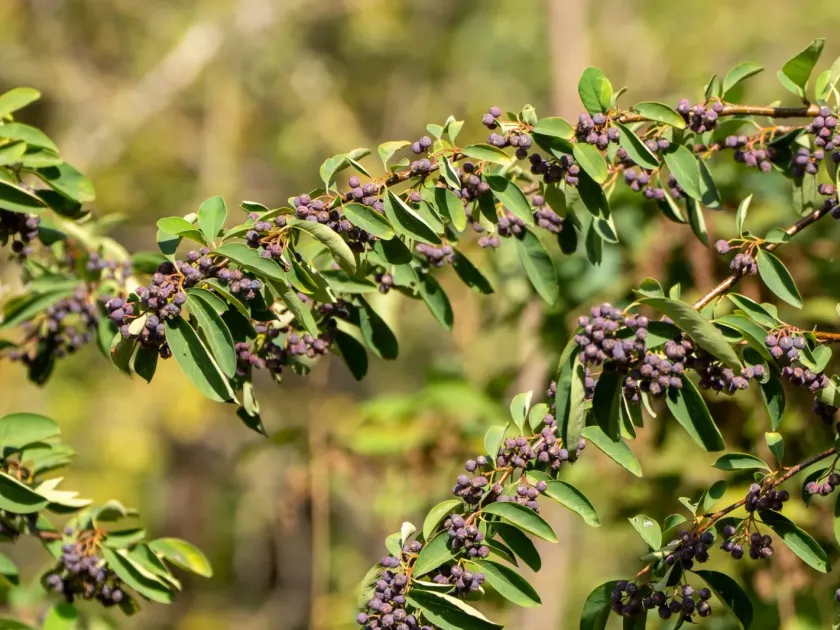
Botanically, it is characterized by its stiff, wand-like branches which give the plant its distinctive architectural appearance. The foliage is deciduous, turning into vibrant shades during the autumn months. It produces small, white flowers that attract pollinators, followed by clusters of small, dark berries that persist well into the cold season.
The plant requires full sun to partial shade for optimal growth. It is highly adaptable to a variety of soil types, including clay and sandy loams, provided they are well-drained. While it is tolerant of some dryness once established, consistent moisture during the first few growing seasons is critical for developing a healthy, robust root system.
Agricultural practices for this shrub are centered around pruning and maintenance. Because it grows vigorously, annual pruning is recommended to manage its height and encourage dense branching. It is highly responsive to shearing, making it an excellent candidate for formal hedges or screen plantings in managed landscapes.
In terms of usage, the Himalayan cotoneaster is primarily an ornamental asset for public parks and private gardens. Its ability to withstand urban pollution makes it a reliable choice for city landscaping. Furthermore, it serves as a valuable food source for local bird populations during the winter, supporting local biodiversity.
Main diseases and pests
The primary health concerns for this species include fungal infections such as fire blight and powdery mildew, which thrive in humid conditions. Pests such as aphids and spider mites can occasionally colonize new growth, requiring timely intervention with insecticidal soaps or biological controls.