
Dark-green cotoneaster
Cotoneaster atrovirens
Description
Growing requirements
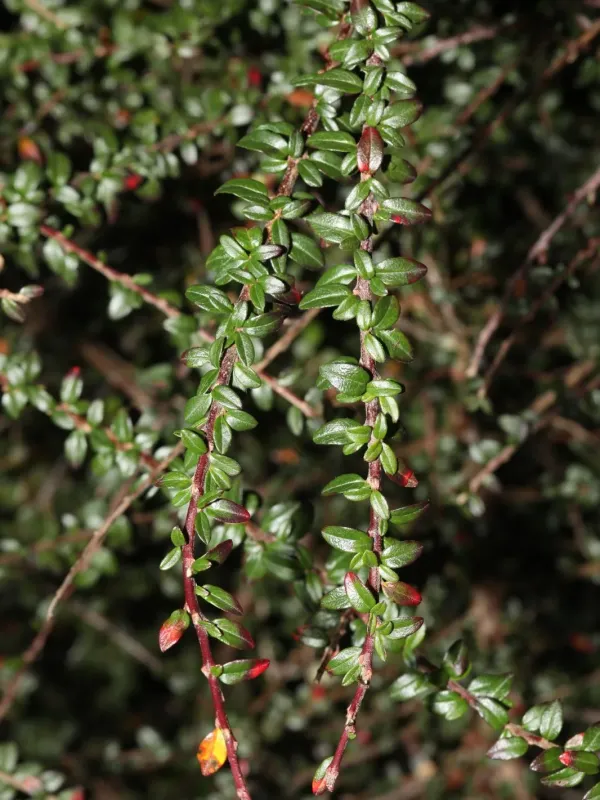
Dark-green cotoneaster (Cotoneaster atrovirens) is a robust ornamental shrub belonging to the Rosaceae family. It is widely recognized for its dense, dark-green foliage and elegant branching structure, which makes it an excellent choice for ornamental landscaping.
The plant originates from the mountainous regions of China, where it adapted to rocky, well-drained terrains. This evolutionary history makes the species particularly resilient and capable of thriving in varied garden conditions provided they are well-drained.
Regarding climatic requirements, the plant prefers sunny to partially shaded locations. It is highly valued for its tolerance to urban pollution, making it a reliable plant for city parks, public green spaces, and areas with high traffic emissions.
The soil requirements are relatively flexible, but the shrub performs best in well-drained, fertile, and slightly alkaline soil. Proper drainage is the most critical factor, as stagnant water can lead to root rot, especially during the colder months of the year.
Maintenance involves routine pruning to maintain the desired shape and promote denser growth. It responds very well to trimming, which is why it is frequently utilized as a formal hedge or a low-maintenance ground cover in residential settings.
Main diseases and pests
Powdery mildew is a common fungal issue that affects Cotoneaster atrovirens, particularly in humid and stagnant air. To prevent this, ensure that shrubs are spaced properly and that pruning allows for adequate airflow through the canopy.
Aphids are the primary insect pests that attack the tender new growth during the spring. If left uncontrolled, they can distort leaves and reduce the overall aesthetic appeal of the shrub, requiring the use of systemic insecticides.
Fusarium wilt remains a significant threat, causing branches to die back suddenly. Management involves immediate removal of infected parts and proper disposal of the plant material to prevent the spread of spores to healthy sections of the garden.
Scale insects can also infest the stems, creating small, hard bumps that sap the energy of the plant. Dormant oil sprays applied in the early spring can be very effective in suppressing these pests before the growing season begins.
Overall, maintaining the plant's health through correct irrigation and balanced fertilization significantly reduces the risk of pest and disease outbreaks, ensuring the shrub remains a vibrant feature of the landscape.