
Cotoneaster atropurpureus
Cotoneaster atropurpureus
Description
Sowing dates
The planting of Cotoneaster atropurpureus is best executed during the spring or autumn months. Optimal timing allows the root system to establish itself before the arrival of extreme summer heat or winter frost.
Propagation is most efficiently achieved through stem cuttings. Semi-hardwood cuttings are harvested in mid-summer, treated with rooting hormones, and placed in a light, moist medium under greenhouse conditions to ensure success.
Seed propagation is less common due to the species' complex dormancy requirements. Seeds typically require a long period of cold stratification before germination, making outdoor autumn sowing a preferred method for nurseries.
When transplanting container-grown specimens, one should ensure the root ball is slightly covered by soil. Providing adequate spacing is crucial for air circulation and long-term development of the shrub's prostrate habit.
Post-planting care includes thorough watering and the application of a mulch layer around the base. This practice helps conserve soil moisture and suppresses weed growth during the critical establishment phase.
Growing requirements
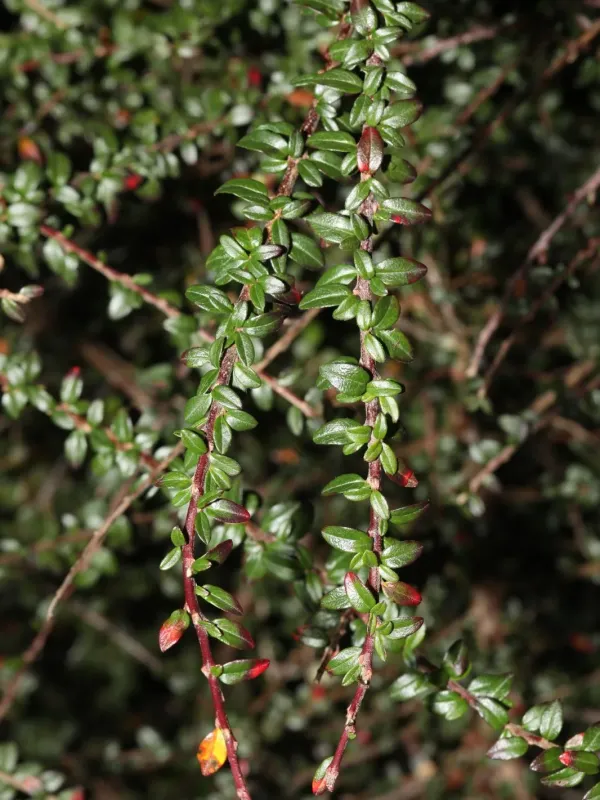
Cotoneaster atropurpureus, a member of the Rosaceae family, is a deciduous shrub native to China. It is highly valued for its ground-covering habit and dark, glossy leaves that turn vibrant colors in autumn.
The shrub thrives in full sun but maintains good health in partial shade. While versatile, optimal performance regarding fruit production and foliage density is observed when the plant receives at least six hours of sunlight daily.
It prefers well-drained, fertile soil, though it demonstrates significant tolerance for various soil types including rocky or slightly alkaline substrates. Soil compaction should be avoided to prevent root rot.
This species is noted for its hardiness, surviving cold winter temperatures with minimal protection. Maintenance pruning in late winter or early spring encourages denser branching and sustains the plant's aesthetic form.
- Environment: Open, sunny locations are ideal.
- Watering: Regular watering during dry spells to maintain vigour.
- Fertilizing: Balanced NPK fertilizer application in early spring.
Main diseases and pests
Fungal infections such as leaf spot and fire blight are the primary health threats to this species. These conditions are often exacerbated by poor drainage and excessive humidity around the foliage.
Pest infestations, particularly by aphids and spider mites, can damage tender new growth. Infested plants may show signs of yellowing leaves or stunted development if the colonies are not managed early.
Sanitation is a vital component of integrated pest management. Removing dead or diseased wood regularly prevents the spread of pathogens and provides a cleaner environment for the shrub to thrive.
In cases of severe infestation, targeted applications of horticultural soaps or systemic insecticides may be necessary. It is important to treat plants early in the morning to protect beneficial garden insects.
By ensuring proper plant spacing and avoiding overhead irrigation that keeps leaves damp for extended periods, gardeners can significantly mitigate the risk of common diseases and pest outbreaks.