
Cotoneaster astrophoros
Cotoneaster astrophoros
Description
Growing requirements
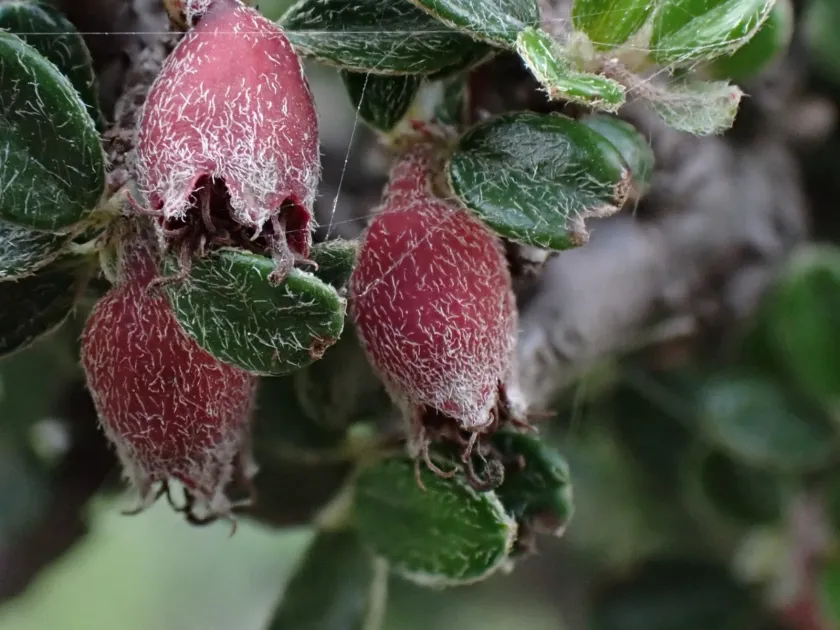
Cotoneaster astrophoros is a distinct ornamental shrub belonging to the Rosaceae family. This species is recognized for its compact habit and unique fruit morphology, where the drupes exhibit a star-like structure, making it a highly valued specimen in horticultural collections.
Originating from the mountainous regions of China, this plant has evolved to thrive in diverse microclimates. It displays significant hardiness and resilience, making it suitable for temperate zone gardens where seasonal temperature fluctuations are common throughout the year.
The primary soil requirements include well-drained, fertile substrates that prevent waterlogging. While it can tolerate slightly acidic to alkaline soils, the priority remains the avoidance of compacted or clay-heavy soils that impede oxygen access to the roots and may cause root rot.
Cultivation practices involve minimal maintenance; however, regular formative pruning is necessary to maintain the desired aesthetic shape. It is a slow-growing plant, which allows for precise management of its crown density and size within a planned landscape design.
It is widely used for soil erosion control on slopes and as a structural element in low-maintenance garden borders. Its capacity to withstand pruning makes it a versatile tool for gardeners interested in creating living fences or geometric shapes.
Main diseases and pests
Common threats include fungal pathogens such as powdery mildew, which can significantly affect the foliage density and visual appeal. Maintaining proper air circulation around the plants is essential for reducing the risk of fungal proliferation.
In terms of pests, the shrub is occasionally susceptible to spider mites and aphids, especially during prolonged dry spells. Implementing biological control methods or selective insecticidal treatments is recommended to maintain the plant's health without disrupting the local ecosystem.