
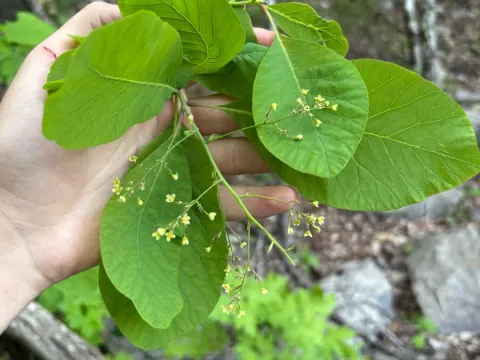
Smoke tree
Cotinus
The smoke tree (Cotinus) is a genus of deciduous shrubs or small trees belonging to the Anacardiaceae family. The crop is valued for its high adaptability, longevity, and ornamental qualities, particularly during the flowering and fruiting season.
What the section contains


Smoke tree
The natural range includes Southern Europe, the Caucasus, and Central and Eastern Asia. It prefers dry, well-drained calcareous soils and tolerates drought and high temperatures, making it suitable for landscaping in arid regions.
The plant is heliophilic and requires open, sunny locations to develop rich leaf color and abundant inflorescences. In shaded areas, shoots become leggy, and the decorative properties of the leaves in cultivars are significantly diminished.
For successful cultivation, effective drainage is critical, as the smoke tree reacts negatively to waterlogging and high groundwater levels. The crop exhibits high winter hardiness in temperate climates, although young saplings may require protection.
Agrotechnics include moderate fertilization, as excess nutrients cause rapid shoot growth that fails to harden off before winter. Regular pruning is essential to promote crown density and stimulate the growth of new, vigorous stems.
The primary threats to the smoke tree include fungal diseases such as verticillium wilt, which often occurs in heavy, waterlogged soils. To prevent this, maintaining strict irrigation schedules and ensuring root system aeration is vital.
Common insect pests include leaf rollers and various species of aphids that damage young leaves and inflorescences. Systemic insecticides should be applied during the growing season if pest infestations become significant.
High humidity levels may lead to powdery mildew outbreaks, requiring treatment with copper- or sulfur-based fungicides. Regular weeding of the root zones helps minimize the habitat for harmful organisms.
Poor cultivation practices, including overwatering, can lead to root rot. Maintaining proper spacing during planting helps sustain the overall phytosanitary condition of the shrub plantings.
The commercial significance of the smoke tree extends beyond ornamental horticulture to the utilization of its wood and leaves. The foliage contains high levels of tannins, historically used in the leather tanning industry, which earned the plant its common nickname.