
Cotinus hybrids
Cotinus hybrids
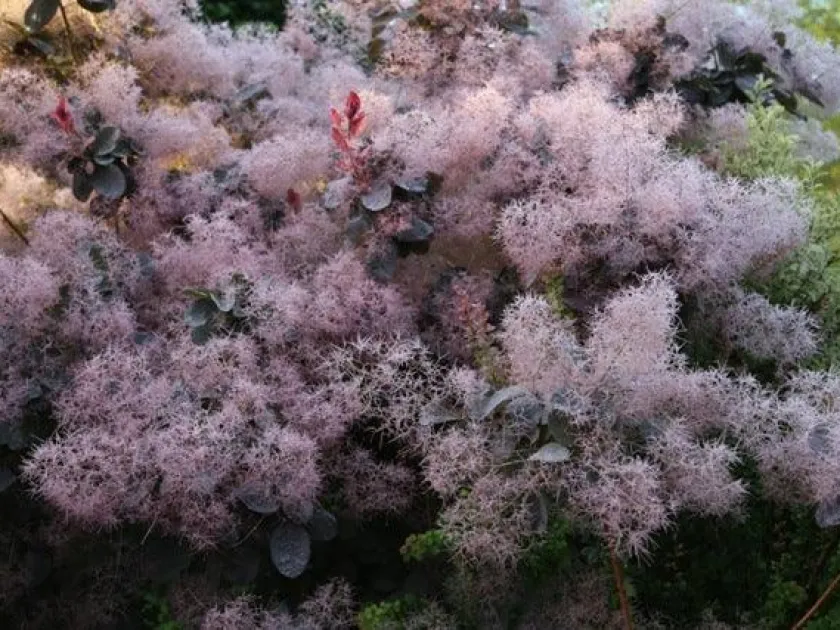
Description
Growing requirements
Cotinus hybrids, belonging to the Anacardiaceae family, are decorative shrubs valued for their dramatic foliage and unique, cloud-like inflorescences. These hybrids are the result of cross-breeding specific Cotinus species to enhance both color intensity and resilience in garden environments.
The culture thrives in full sun, which is essential for developing its signature deep purple or vibrant golden leaf coloration. While it can survive in partial shade, the foliage color will be less impressive, and the overall density of the shrub will decrease, leading to a sparser appearance.
When selecting a planting site, focus on well-draining soil. Cotinus hybrids are sensitive to waterlogged conditions, which can lead to root rot. They perform best in slightly alkaline or neutral soil, making them suitable for various garden settings provided the drainage is adequate.
These plants are notably drought-tolerant once established. During the initial growth phase, consistent watering is required to help the root system develop. After this stage, they require minimal intervention, although occasional irrigation during severe droughts is recommended for optimal health.
Pruning is a fundamental aspect of their maintenance. To maintain the shrub's shape and encourage more colorful new growth, perform light pruning in late winter or early spring. This helps the plant maintain a compact, bushy form, maximizing its ornamental value in landscaping.
Main diseases and pests
The most serious threat to Cotinus hybrids is Verticillium wilt, a soil-borne fungus that causes stems to wilt and die back suddenly. Since this disease impacts the plant's vascular system, affected branches must be pruned back to healthy wood, and tools must be sanitized between cuts.
Powdery mildew is a common fungal issue that manifests as white, dusty spots on the leaves. It occurs primarily in humid, poorly ventilated conditions. Promoting better air circulation through selective pruning is an effective preventive measure to minimize fungal spread.
Pest issues include aphids and scale insects, which can colonize the soft tips of new growth. These pests extract sap from the plant, often leading to leaf curling or the development of sooty mold on the honeydew they excrete.
Management of these threats involves the application of appropriate systemic insecticides if infestations become severe. Integrated pest management, which includes monitoring for predators like ladybugs, can also help keep aphid populations in check naturally.
Overall garden hygiene, such as removing fallen leaves at the end of the season and ensuring proper spacing between shrubs, is essential to minimize the risk of pest and disease outbreaks. Regular scouting is the best way to catch early signs of distress.