
Cordyline fruticosa
Cordyline fruticosa (L.) A. Chev.
Description
Growing requirements
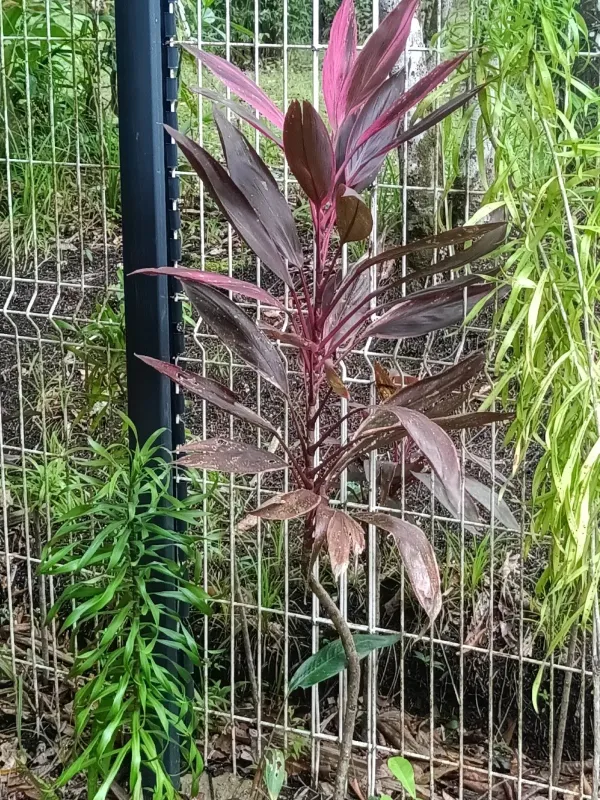
Cordyline fruticosa is a perennial evergreen shrub belonging to the Asparagaceae family. Originating from the tropical regions of Southeast Asia and the Pacific, this plant is widely cultivated for its ornamental foliage in various tropical and subtropical zones.
The plant requires a stable, warm climate with temperatures typically ranging between 20°C and 25°C. Exposure to cold drafts or temperatures below 15°C is detrimental to plant health, often causing significant tissue damage and defoliation.
A well-draining, nutrient-rich soil mix is essential for healthy development. The substrate should have a slightly acidic to neutral pH level, and organic matter content should be managed to ensure adequate moisture retention without waterlogging.
Light requirements are critical for maintaining the color intensity of the leaves. Cordyline fruticosa thrives in bright, indirect light; excessive sunlight often results in leaf scorch, while insufficient light leads to stem elongation and fading colors.
Consistent watering and high humidity levels are crucial for optimal growth. Irrigation frequency should be adjusted based on the substrate moisture levels, and atmospheric humidity should be maintained at a level above 60% in protected cultivation environments.
Main diseases and pests
Spider mites are the most prevalent pests affecting this crop, particularly in environments with low humidity. They typically colonize the underside of leaves, leading to chlorosis and general plant decline.
Root rot is a major physiological threat caused by poor soil drainage and over-irrigation. Proper management of the irrigation schedule and the use of high-quality, permeable substrates are vital preventive measures.
Scale insects present a difficult challenge due to their protective coverings. Integrated pest management, including systemic insecticides and biological control, is necessary to keep their populations below economic injury levels.
Mealybugs are known to infest the leaf axils, sucking sap and weakening the plant. Regular monitoring of these areas is essential, as the pests can multiply rapidly if left unchecked.
Fungal leaf spot diseases may occur in stagnant, overly humid conditions. Improving airflow and maintaining sanitation within the growing area are key practices to mitigate the risk of pathogen spread.