
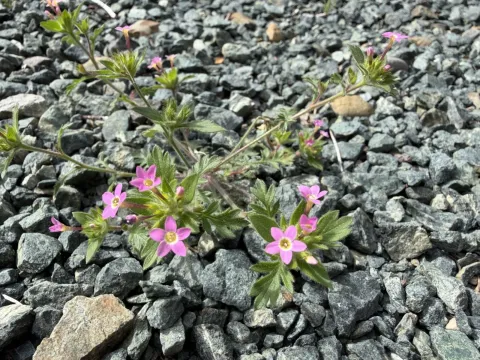
Collomia
Collomia
Collomia is typically grown as an annual plant, and sowing seeds directly into open soil is recommended as soon as the danger of spring frost has passed.
What the section contains


Collomia
For regions with shorter growing seasons, starting seeds indoors in trays 4 to 6 weeks before the last frost date is an effective method to ensure early establishment.
Seeds should be sown shallowly, as they require a certain amount of light to trigger germination, and should be kept consistently moist but not waterlogged.
Optimal germination occurs at temperatures between 18 and 20 degrees Celsius, leading to sturdy seedlings that adapt well to transplantation later on.
Once the seedlings develop their first true leaves, they should be thinned out or transplanted, ensuring a spacing of 20 to 30 centimeters for proper airflow.
Collomia belongs to the Polemoniaceae family and is native to the Americas, thriving in environments that provide plenty of sunlight and well-draining soil.
The plant prefers sandy or loamy soil textures with a neutral pH, which prevents the moisture retention that can lead to root system decay and stagnation.
While Collomia exhibits notable drought tolerance once established, consistent moisture during the initial growth phase is critical for achieving a vibrant bloom.
The plant performs best in full sun, as limited light exposure can cause the stems to become leggy and reduce the overall floral display of the crop.
Standard fertilization with balanced nutrients in early spring helps support the rapid development of stems and promotes a longer flowering duration throughout summer.
Fungal diseases are the primary threat to Collomia, often triggered by excessive soil moisture or high humidity combined with poor air circulation around the foliage.
Powdery mildew represents a significant risk during late summer, which can be mitigated by ensuring proper spacing between plants and applying preventative fungicides.
Common insect pests include aphids and spider mites, which can infest the succulent parts of the plant and hinder its growth during hot, arid weather conditions.
Integrated pest management, including regular monitoring and the use of insecticidal soaps, is usually sufficient to control minor pest outbreaks before they escalate.
To minimize the risk of recurring threats, gardeners should practice strict sanitation by removing any debris at the end of the season to break the pathogen cycle.