
Collomia biflora
Collomia biflora
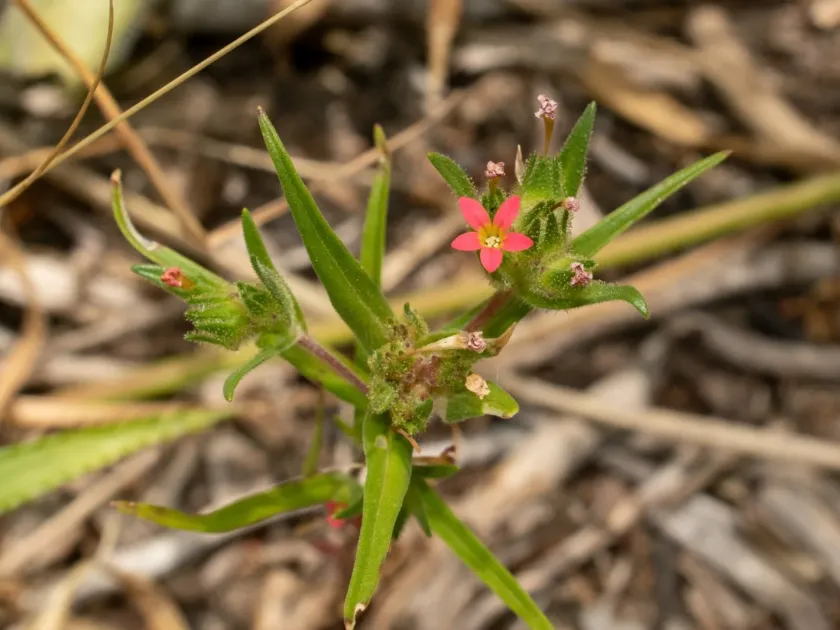
Description
Sowing dates
Sowing Collomia biflora is typically performed directly into the prepared garden soil as soon as the ground warms up after the winter season. In moderate climate zones, the optimal sowing period is during April or early May to ensure a good establishment.
The seeds should be planted at a shallow depth of about 0.5 to 1 centimeter. To prevent overcrowding, it is essential to thin the seedlings once they develop their first set of true leaves, ensuring that each plant has sufficient space for healthy growth.
As a member of the Polemoniaceae family, this plant is an annual that completes its life cycle within one growing season. Early sowing is recommended to allow the plant to establish a deep root system, which contributes to more vigorous vegetative growth.
Adequate soil moisture is critical during the germination phase to ensure uniform emergence of seedlings. Under favorable conditions, the seeds will sprout within approximately two weeks, showing quick growth if the temperatures remain moderate.
Fall sowing is an alternative strategy, allowing the seeds to undergo natural stratification during the winter. This practice often leads to earlier germination in the spring, resulting in a more robust plant before the heat of mid-summer arrives.
Growing requirements
Collomia biflora thrives best in full sun, as direct light is necessary for maintaining the plant's compact form and promoting an abundant display of flowers. Shaded areas often result in leggy stems and reduced overall plant vitality.
The soil should be light, well-draining, and fertile, preferably a sandy loam or a well-amended garden soil. Waterlogged conditions must be avoided at all costs, as the roots are highly susceptible to rot if they remain in saturated ground for too long.
A neutral soil pH, ranging between 6.0 and 7.0, is ideal for the successful cultivation of this species. Before sowing, integrating organic compost or balanced mineral fertilizers into the top layer of the soil can significantly improve flowering performance.
While the plant shows some resistance to short periods of drought, regular irrigation is advised during the peak growing months. Consistent moisture supports the development of buds and ensures that the plant continues to flower throughout the summer.
Temperature fluctuations are generally tolerated well, but protecting young seedlings from late spring frosts is highly recommended. Using row covers or light mulch can provide the necessary microclimate for the plants during cold, unpredictable spring nights.
Main diseases and pests
The primary threat to the health of Collomia biflora is the development of root rot, typically caused by poor drainage or overwatering. Keeping the soil well-aerated is the most effective way to prevent these fungal infections from occurring.
Powdery mildew may affect the foliage if the plants are crowded or if there is insufficient airflow between them. Maintaining proper spacing between plants is crucial for lowering the humidity around the stems and preventing the spread of fungal spores.
Aphids are common pests that may infest the soft, young shoots of the plant. If left untreated, they can weaken the plant and hinder its ability to bloom, so early intervention with mild soaps or biological insecticides is encouraged.
Spider mites can become an issue during hot, dry weather periods, causing yellowing and stippling on the leaves. Regularly misting the plants or using appropriate miticides can help keep these pest populations under control during the summer.
Slugs and snails can also cause significant damage to young, tender plants, especially during damp seasons. Utilizing physical barriers around the perimeter of the planting area is often sufficient to keep these pests away from the growing crops.