
Collomia linearis
Collomia linearis
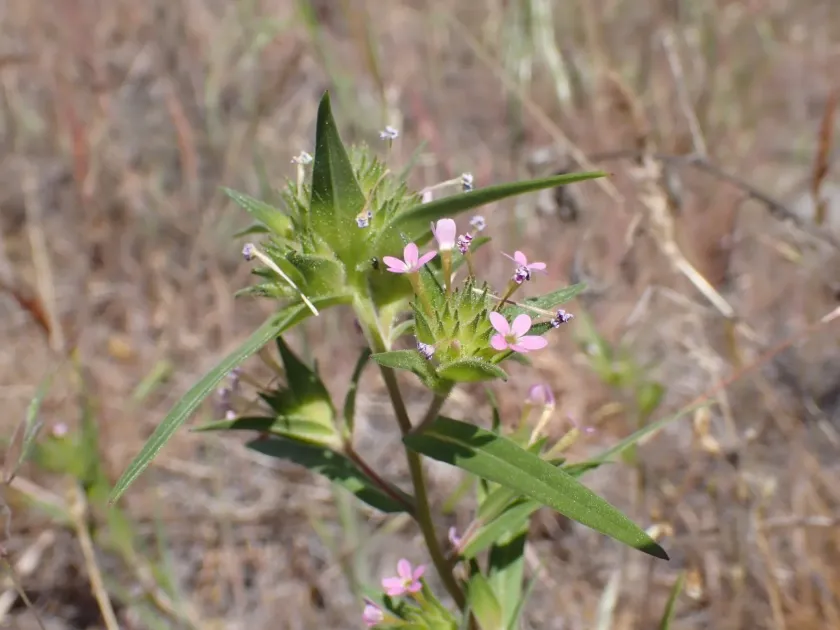
Description
Sowing dates
Seeds of Collomia linearis are typically sown directly into the soil during the spring season, once the ground has warmed up sufficiently. The optimal period is generally late April or May, depending on the specific climate zone and local weather conditions.
In regions with shorter growing seasons or colder climates, starting the seeds in greenhouses or cold frames during March is a viable practice. The young seedlings demonstrate good germination vigor when provided with consistently moderate substrate moisture.
The sowing depth should not exceed 0.5 to 1 centimeter, as the seeds are small and require close proximity to the surface to ensure proper germination. It is advisable to lightly firm the soil after sowing to ensure optimal contact between the seeds and the earth.
Seedlings usually emerge within 10 to 14 days post-sowing, assuming air temperatures are maintained between 18 and 22 degrees Celsius. During this early developmental stage, it is crucial to avoid complete drying out of the topsoil layer.
Once the second pair of true leaves has formed, thinning should be performed to maintain a spacing of 15 to 20 centimeters between plants. This practice ensures adequate air circulation and sufficient access to nutrients for each individual specimen.
Growing requirements
Collomia linearis belongs to the Polemoniaceae family and is a resilient annual plant native to the western regions of North America. In its natural habitat, it thrives in open, sun-exposed areas with well-draining soil types.
The culture has moderate soil fertility requirements but performs best in light sandy or loamy substrates that allow for effective water drainage. Waterlogging in the root zone is a critical limiting factor that can lead to plant rot and failure.
The plant exhibits high ecological plasticity and can withstand periods of mild drought, making it a suitable candidate for areas with moderate rainfall. Direct sunlight is essential for promoting lush flowering and the development of high-quality seeds.
An optimal soil pH level for successful cultivation is near neutral. In cases where the soil is excessively acidic or alkaline, it is recommended to apply soil amendments or lime before the sowing process to bring the pH levels into an acceptable range.
Collomia linearis does not typically require high doses of mineral fertilizers; however, on nutrient-deficient soils, the application of balanced compound fertilizers during the active growth phase can significantly enhance overall vegetative biomass production.
Harvesting
The harvesting of Collomia linearis seeds is conducted once the seed capsules have fully matured, indicated by a characteristic brown coloration and a loss of stem turgor. The process is often staggered due to the uneven ripening of seeds across the plant's various nodes.
It is recommended to harvest the flowering stems during dry, sunny weather to prevent the development of mold and fungal issues during the drying process. After cutting, the material should be spread in shaded, well-ventilated areas on paper or fabric to dry completely.
Once the capsules are brittle and dry, they are carefully threshed, and the collected seeds are cleaned to remove debris, such as dried sepals and leaf fragments. Cleaned seeds retain good viability for 2 to 3 years when stored in a cool and dry environment.
For ornamental or industrial purposes, the harvest may simply involve mowing the vegetative mass at the end of the growing season. In landscape design, it is important to note the plant's tendency to self-seed, which allows for population renewal without additional sowing efforts.
The post-harvest processing of the seeds should include systematic sorting by weight and size, which serves to remove underdeveloped or damaged seeds, thereby improving the quality of the planting material for the subsequent gardening season.