
Giant collomia
Collomia grandiflora
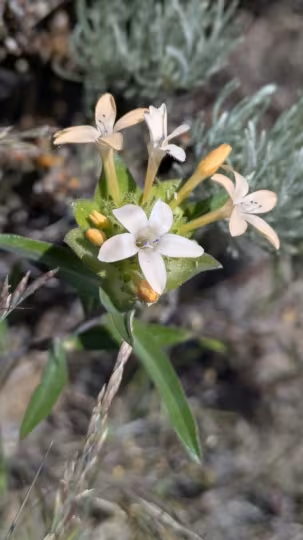
Description
Sowing dates
Giant collomia (Collomia grandiflora) is an attractive annual belonging to the Polemoniaceae family. It is best sown directly outdoors in the spring, once the danger of heavy frost has passed and the soil has warmed up sufficiently.
For an earlier blooming season, seeds can be started indoors in trays during late winter. Seedlings should be hardened off and transplanted to their permanent location after the last spring frost date.
When sowing, seeds should be covered with a thin layer of soil, approximately 0.5 cm deep. They require moderate light and consistent moisture to germinate effectively within the first two weeks.
The spacing between individual plants should be maintained at about 20–30 cm to allow for proper air circulation. This helps to prevent overcrowding and ensures the plants have enough nutrients for healthy growth.
Native to western North America, this plant is well-adapted to varied environmental conditions, making it a robust addition to flower beds and borders in temperate climates.
Growing requirements
Giant collomia thrives in full sun, though it can tolerate partial shade in hotter climates. Adequate sunlight is crucial for maintaining a sturdy, upright stem structure and vibrant, salmon-colored flowers.
The plant requires well-drained soil to thrive. While it can tolerate a variety of soil types, including sandy or rocky textures, it performs best in soils with moderate fertility and high permeability.
Watering should be balanced. Although the species is somewhat drought-tolerant once established, providing regular water during the flowering peak enhances the size and duration of the blooms.
Excessive fertilization is generally unnecessary and can lead to leggy plants. A light application of compost or balanced fertilizer at the start of the season is usually sufficient for optimal performance.
It prefers cooler to moderate temperature conditions during its growing phase. In regions with extremely high summer heat, providing a light mulch layer can help keep the roots cool and retain soil moisture.
Main diseases and pests
Collomia grandiflora is generally a hardy and pest-resistant plant. However, environmental stress can occasionally lead to susceptibility to various pests or diseases that affect standard garden annuals.
Aphids may occasionally target the soft tips of the plant during periods of rapid growth. These pests can be managed by washing the plants with a steady stream of water or using mild insecticidal soap.
Root rot is the most common issue associated with poor drainage. If the soil remains saturated for long periods, the roots will quickly deteriorate, leading to wilting and the eventual death of the plant.
Powdery mildew can occur in humid environments or areas with poor air circulation. To minimize this risk, ensure that the plants are spaced correctly and avoid overhead watering that keeps the foliage wet.
Slugs and snails can be a nuisance for young seedlings in early spring. Protecting the plants with physical barriers or organic bait can help preserve the young foliage until the plants are strong enough to withstand minor grazing.