
Cochlearia prolongoi
Cochlearia prolongoi
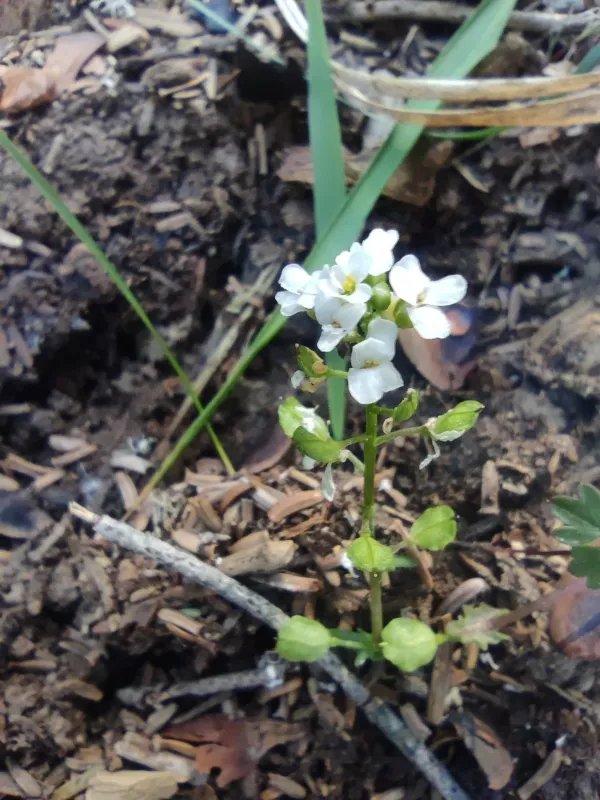
Description
Sowing dates
Cochlearia prolongoi is a perennial plant belonging to the Brassicaceae family, native to specific mountainous regions in Spain.
Seeds should be sown in early spring or autumn into a well-prepared seedbed, ensuring that the soil temperature is cool enough for germination.
The seeds are small and should be sown at a shallow depth, covered with a very light layer of soil or fine grit to allow light exposure.
Spacing is essential for the healthy development of the leafy rosettes; a distance of at least 20 cm between plants is recommended.
In indoor setups, stratification might be necessary for improved germination rates, followed by a consistent watering schedule.
Growing requirements
This species thrives in well-drained, lime-rich, or stony soils that mimic its natural rocky habitat.
It prefers a cool, temperate climate and is highly sensitive to excessive heat, which can cause the plant to go into premature dormancy.
Adequate soil moisture is critical; however, drainage must be excellent to prevent the rotting of the taproot system.
Cochlearia prolongoi requires full sunlight to partial shade, depending on the intensity of the solar radiation in the specific geographic area.
Neutral to slightly alkaline pH levels are optimal for the nutrient absorption efficiency of this plant.
Main diseases and pests
The most significant threats to Cochlearia prolongoi are fungal infections triggered by stagnant air and waterlogged soil conditions.
Common pests, particularly flea beetles (Phyllotreta spp.), can cause substantial damage to the young leaves, necessitating integrated pest management.
Snails and slugs are also common predators that can quickly consume the succulent leaves of the rosettes in wet weather.
Regular monitoring of the leaf underside is recommended to detect early infestations of aphids or spider mites.
Good cultural practices, including sanitation and adequate spacing, significantly reduce the incidence of both diseases and pest attacks.
Harvesting
Harvesting consists of picking the individual mature leaves from the outer part of the rosette, allowing the center to continue growth.
The optimal time for harvest is early in the morning when the leaves are fully turgid and contain the highest concentration of volatile compounds.
Cochlearia prolongoi leaves have a distinctive sharp, tangy flavor that is best preserved when consumed immediately after harvest.
If not consumed fresh, the harvested leaves should be stored in a cool, humid environment to prevent rapid dehydration.
Continuous harvesting encourages the plant to maintain a steady production of new leaves throughout the growing season.