
Aragonese scurvygrass
Cochlearia aragonensis
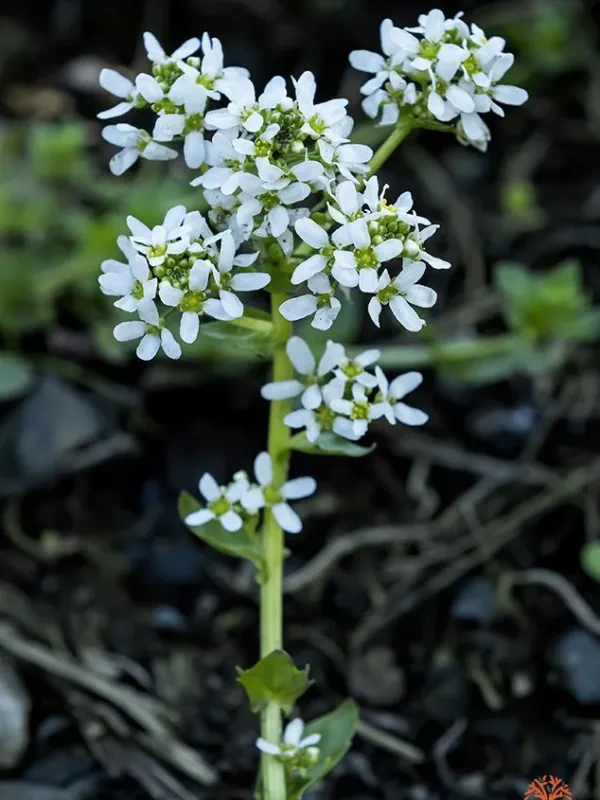
Description
Sowing dates
Aragonese scurvygrass is a cool-season plant that thrives when started in early spring. The seeds are very small and require careful handling to ensure even distribution during sowing.
Successful germination often requires cold stratification, mirroring the plant's natural adaptation to mountainous habitats. Exposing seeds to cold temperatures for several weeks significantly improves the stand density.
Sowing should be done in shallow furrows, covering seeds with a very thin layer of substrate. Maintaining a consistent moisture level is crucial until the seedlings emerge.
Spacing is essential for this plant to develop healthy basal rosettes. Planting at intervals of 20 centimeters allows for adequate airflow, which prevents common moisture-related issues.
Using a lightweight row cover can protect young sprouts from drying winds and stabilize the temperature at the soil surface during the sensitive germination phase.
Growing requirements
This species belongs to the Brassicaceae family and is strictly adapted to specific ecological niches. It requires well-drained, calcareous soils to maintain vigorous growth.
The climate requirements center on cool temperatures and moderate humidity. High heat levels are detrimental to the plant, often leading to rapid bolting and decline.
Exposure to partial shade is preferred, especially in regions with intense summer sunlight. Proper site selection is the primary factor in successful crop management.
The plant needs constant, moderate soil moisture. Avoid waterlogging, which can lead to root system degradation and provide favorable conditions for pathogens.
Management practices should include routine weeding and light soil cultivation to keep the area breathable. Avoid heavy machinery, as this plant thrives in undisturbed garden or field patches.
Main diseases and pests
Crucifer flea beetles are the primary agricultural pest for this crop. They can cause severe damage to leaves if monitoring and control are not initiated early in the season.
Root rot and downy mildew are common threats in conditions of poor air circulation or excessive moisture. These diseases can devastate a crop if not managed promptly.
Slugs and snails are major hazards, particularly during wet spring weather. Protecting the foliage with organic barriers can help mitigate this risk without chemical inputs.
Strict crop rotation is necessary to prevent the accumulation of soil-borne pathogens common to the Brassicaceae family in the cultivation area.
Integrated pest management, including the use of beneficial insects and mechanical barriers, is recommended over the heavy use of synthetic pesticides.
Harvesting
Harvesting typically focuses on the succulent leaves, which are prized for their flavor. The best time for harvest is prior to the emergence of flower stalks.
Manual harvesting by trimming the outer leaves of the rosette allows the plant to continue producing foliage throughout the growing season.
Post-harvest handling requires quick cooling of the leaves. High humidity storage is vital to prevent wilting and maintain the nutritional quality of the produce.
Timing the harvest based on early morning hours is ideal. This practice ensures that the plants are turgid and contain the maximum content of water-soluble nutrients.
Processed produce should be treated as a perishable item. Short shelf life necessitates efficient supply chain management or immediate use after picking.