
English scurvygrass
Cochlearia anglica
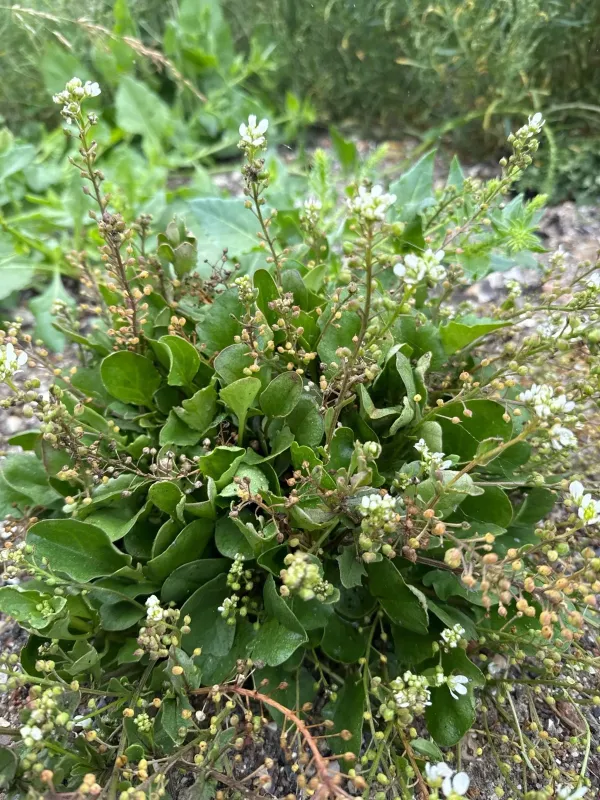
Description
Sowing dates
English scurvygrass (Cochlearia anglica) belongs to the Brassicaceae family and is recognized for its historical use as a source of vitamin C. Sowing should ideally occur in the autumn, as the seeds require a period of cold stratification to break dormancy effectively.
For spring sowing, seeds should be placed in well-prepared, moisture-retentive soil as soon as the ground is workable. Due to their small size, they should be surface-sown or covered with a very thin layer of fine soil, ensuring they receive enough light to trigger germination.
Spacing the rows approximately 20 to 30 centimeters apart is essential for effective weed control and to allow adequate airflow around the plants. Proper thinning is required once seedlings reach the two-leaf stage to ensure healthy plant development.
This crop is highly capable of self-seeding, which can be an advantage for perennial patches but requires management in a controlled agricultural setting. If rapid production is needed, indoor sowing in trays can facilitate earlier harvests.
The germination period usually spans 10 to 14 days under consistent moisture levels. Providing a stable environment during this initial stage is crucial for establishing a uniform crop canopy.
Growing requirements
This plant thrives in moist, saline, or sandy loam soils, reflecting its natural habitat in coastal marshes. It prefers a pH level ranging from neutral to slightly alkaline, which supports its nutrient uptake and general health.
Water management is the most critical aspect of Cochlearia anglica cultivation. The soil must remain constantly damp, as any prolonged drought stress will trigger premature flowering, which significantly reduces the harvest period of the leaves.
As a cold-hardy species, English scurvygrass performs best in cool, temperate climates. It can withstand light frosts, making it a reliable early-season crop, though it prefers temperatures below 22 degrees Celsius for optimal leaf growth.
Light requirements are moderate, but since the plant is sensitive to day length, providing shade during the height of summer helps prevent bolting. Consistent temperature control is key to maintaining the plant in a vegetative state.
While the plant can grow in diverse conditions, organic matter enrichment in the soil will promote larger, more succulent leaves. Regular but light fertilization helps sustain vigor over multiple harvest cycles throughout the season.
Harvesting
The primary harvest involves picking the succulent basal leaves before the onset of flowering. Harvesting should be done selectively by removing only the outer leaves, which encourages the plant to continue producing new growth from the center.
Post-harvest handling is critical, as the leaves have high water content and wilt easily. Cooling the produce immediately to near-freezing temperatures is necessary to maintain quality, texture, and nutritional value for distribution.
With proper care and adequate moisture, multiple harvests can be achieved from a single plant during the growing season. It is vital to stop harvesting once the plant initiates flower stalks, as the leaves become bitter and fibrous.
Seed harvesting is performed on designated plants once the pods start to dry and turn a pale straw color. Great care must be taken during collection, as the pods can shatter easily, leading to seed loss in the field.
Dried seeds should be threshed, cleaned, and stored in breathable containers in a cool, dark environment. Maintaining low humidity during storage is essential to ensure the seed bank remains viable for future planting seasons.