
Glastead scurvygrass
Cochlearia glastifolia
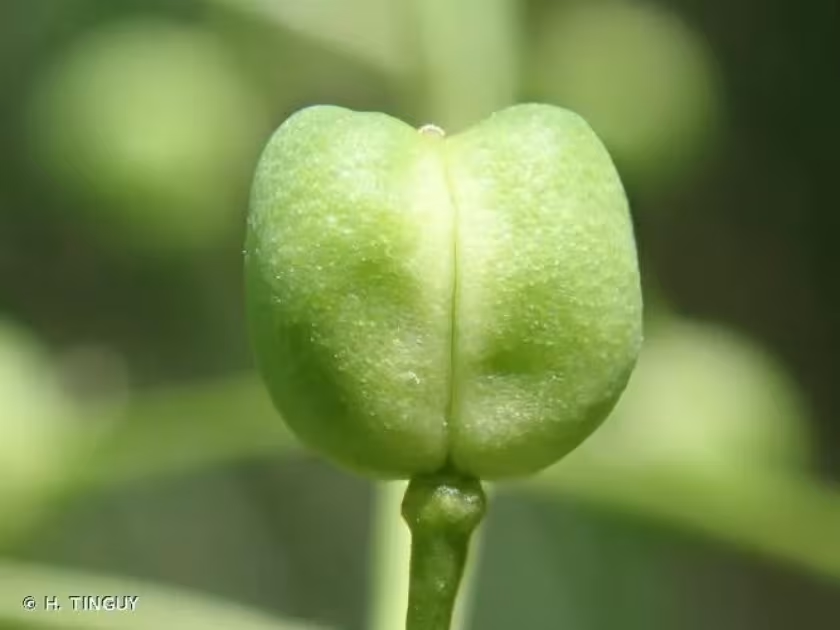
Description
Sowing dates
Cochlearia glastifolia is a resilient biennial or annual plant belonging to the Brassicaceae family. It is typically sown in early spring as soon as the ground is workable.
The seeds are small and should be sown at a shallow depth of approximately 1 centimeter to ensure consistent germination and proper root development.
Row spacing is generally maintained at 25–30 centimeters to allow for optimal plant density and sufficient airflow, which helps in preventing fungal issues.
Succession planting is a recommended practice to ensure a continuous supply of fresh, tender leaves throughout the growing season in temperate climates.
Adequate soil moisture is critical during the germination phase, and the seedbed should be kept damp but not waterlogged to support rapid seedling growth.
Growing requirements
This species thrives in nutrient-rich, well-drained soils, preferably with a slightly acidic to neutral pH level, which encourages healthy vegetative growth.
It prefers a temperate climate and grows best in cool, moist conditions, making it an excellent candidate for spring or autumn cultivation in many regions.
While the plant is hardy, it requires consistent watering during dry spells to prevent premature bolting, which significantly degrades the quality of the harvest.
Full sun to partial shade is ideal; however, excessive heat can cause the leaves to lose their crispness and flavor, reducing the overall crop value.
Regular weeding and careful soil cultivation around the roots are necessary to minimize competition for nutrients and ensure maximum biomass production.
Main diseases and pests
The most significant pests affecting this crop include flea beetles, which can cause severe damage to the foliage during the early stages of plant development.
Aphids may also pose a threat during warmer months, leading to leaf curling and stunted growth if not managed through proper monitoring and biological control.
Root rot caused by stagnant water or poor drainage is a common physiological threat that can lead to crop failure if the field is not leveled correctly.
Disease management relies heavily on crop rotation, avoiding planting in fields previously occupied by other Brassicaceae species to minimize soil-borne pathogens.
Integrated pest management strategies, such as the use of row covers, are effective in protecting young plants from insect infestations during critical periods.
Harvesting
Harvesting is performed by clipping the basal rosette leaves before the plant initiates its flowering stage, as this ensures the best culinary quality.
Manual harvesting is common for fresh market supplies, while larger scale operations may utilize specialized equipment for harvesting the leaves efficiently.
Post-harvest handling requires quick cooling to maintain the freshness, crispness, and vitamin content of the greens, which are highly perishable items.
Depending on the cultivation intensity, multiple cuttings can be obtained from the same plants if the growing point remains undamaged during the harvest.
The final product should be stored in high-humidity conditions at near-zero temperatures to extend shelf life for distribution and retail purposes.