
Cochlearia abulensis
Cochlearia abulensis
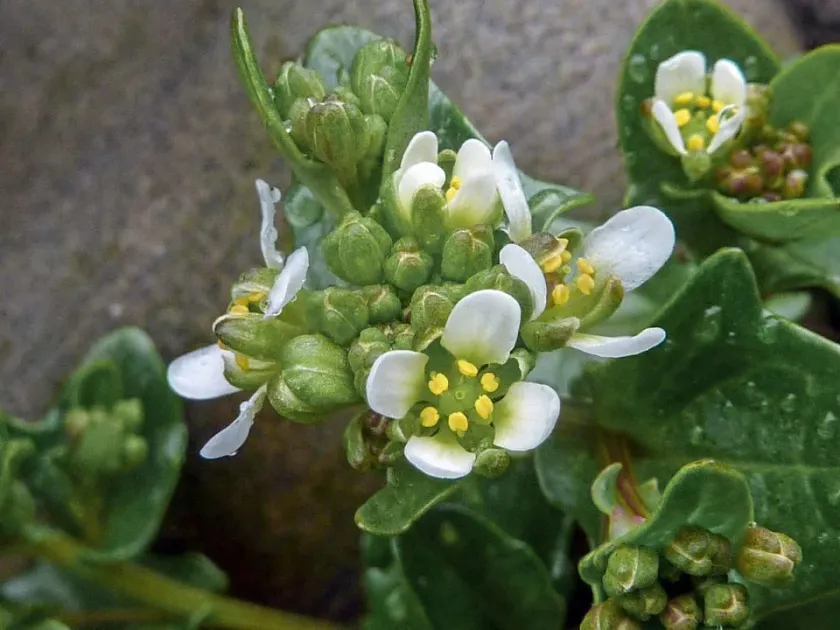
Description
Growing requirements
Cochlearia abulensis is a rare perennial herbaceous plant belonging to the Brassicaceae family. It is endemic to specific high-altitude regions in Spain, primarily associated with cool, humid, and rocky environments.
Cultivation of this species requires strict adherence to its natural habitat conditions. It thrives best in well-drained, nutrient-rich soils that mimic the mountainous geography where it naturally occurs, avoiding heavy or waterlogged clay soils.
The plant demonstrates significant sensitivity to temperature fluctuations. It is essential to provide a location with consistent moisture and shade, as high temperatures during the summer months can lead to rapid physiological decline.
Botanically, Cochlearia abulensis is defined by its fleshy, spoon-shaped leaves arranged in a basal rosette. These leaves contain glucosinolates, which provide a sharp, pungent flavor similar to horseradish, a typical characteristic of the genus.
While not a major commercial agricultural crop, the species is of high interest for botanical gardens and specialized conservation programs. Successful propagation relies on mimicking cool stratification periods and maintaining stable moisture levels in the substrate.