
Scurvygrass
Cochlearia aestuaria
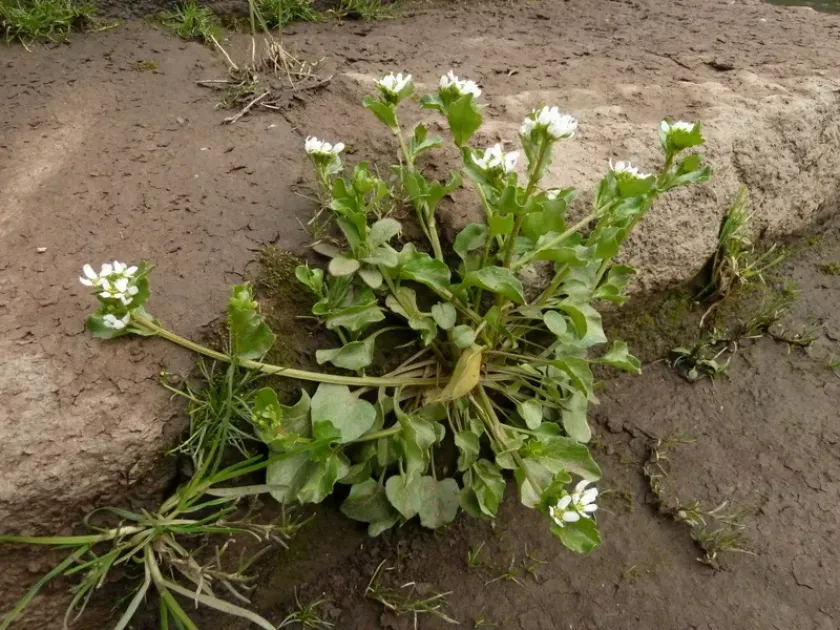
Description
Sowing dates
Sowing Cochlearia aestuaria is typically performed in early spring as soon as soil temperatures allow for germination. The seeds are small and require consistent contact with the soil to initiate growth effectively.
For commercial production, direct seeding in well-prepared beds is preferred. The seeds should be sown shallowly, ideally at a depth of about 0.5 to 1 centimeter, to ensure they do not rot before breaking the surface.
Spacing is essential for the development of large, healthy rosettes. A distance of approximately 20 centimeters between plants within rows is recommended, with row spacing of at least 25 centimeters to facilitate maintenance.
Winter sowing is also a viable option in milder climates, allowing for early spring establishment. The natural cold cycle helps break seed dormancy, leading to vigorous growth as temperatures rise.
In high-intensity greenhouse systems, controlled sowing cycles can provide a continuous supply of fresh greens. Using a high-quality, well-draining germination substrate is critical for success in indoor environments.
Growing requirements
As a member of the Brassicaceae family and a halophyte, Scurvygrass is naturally adapted to estuarine environments. In an agricultural setting, it demands high moisture levels and a soil profile that can handle salt content.
Sunlight requirements are moderate; while the plant thrives in full sun, it benefits from protection during the hottest part of the day in warmer regions. Providing consistent light is necessary to maintain nutrient density in the leaves.
Soil should be rich in organic matter and have a neutral to slightly alkaline pH. Given its natural habitat, the plant responds well to irrigation water with a balanced mineral salt content, which supports its osmotic requirements.
Temperature management is straightforward, as the plant is hardy and adapted to temperate climates. It performs best in cool-to-moderate conditions, making it an excellent choice for shoulder-season production.
Adequate ventilation is a must, especially in greenhouse cultivation. Proper airflow helps prevent the humidity-related diseases that can often afflict dense, leafy vegetable crops like Scurvygrass.
Yield
Cochlearia aestuaria is valued for its vitamin-rich, fleshy leaves. When grown under optimal conditions, it provides a consistent yield, with leaves ready for harvesting within 40 to 60 days of germination.
Multi-cut harvesting is possible if the central point of growth remains undamaged during the collection of outer leaves. This technique extends the productive life of the plant significantly.
The total yield per square meter can range from 1 to 2 kilograms, depending on the intensity of the production system. Frequent, light harvests are better for maintaining the quality of the greens than infrequent, heavy harvests.
Removing developing flower stalks is the most effective management strategy to maximize leaf yield. Once the plant enters the reproductive phase, leaf production diminishes significantly.
Optimizing plant nutrition with balanced mineral fertilizers, while maintaining the specific soil salinity the plant prefers, is key to achieving consistent harvest volumes throughout the season.
Main diseases and pests
Cruciferous flea beetles are the primary threat to Scurvygrass. They target the tender leaves in early stages and can cause significant economic damage if not managed through physical barriers or biological controls.
Clubroot is a serious fungal concern, especially in fields with poor drainage or acidic soil conditions. Crop rotation and soil pH management are the most effective preventative measures against this pathogen.
Powdery mildew can develop in poorly ventilated conditions or high-humidity greenhouse environments. Maintaining a proper plant density and ensuring air circulation are crucial for minimizing this risk.
Aphids can occasionally colonize the plants, particularly during stressful growth periods. Integrated pest management, focusing on early detection and biological interventions, is preferred over chemical spraying.
Over-watering or standing water can lead to root rot, so proper site preparation and drainage management are essential to maintain plant health throughout the vegetative stage.
Harvesting
The harvest should take place during the cool hours of the morning to ensure the leaves remain crisp and retain their maximum nutritional value. Leaves are harvested by cutting them cleanly near the base.
Post-harvest handling is critical for shelf life. Leaves should be moved quickly to cold storage at around 2 to 4 degrees Celsius to maintain their fresh appearance and prevent wilting.
Packaging in perforated bags helps maintain the necessary microclimate for the greens, preventing dehydration while avoiding excessive moisture buildup that could lead to post-harvest decay.
Seed harvesting is conducted on second-year plants. Once the pods turn from green to brown, they are collected and dried to ensure high-quality seeds for the next planting cycle.
Regular washing after harvest should only be performed immediately prior to packaging or usage. Excess moisture on the surface of the leaves during storage will significantly decrease the shelf life of the product.