
Danish scurvygrass
Cochlearia danica
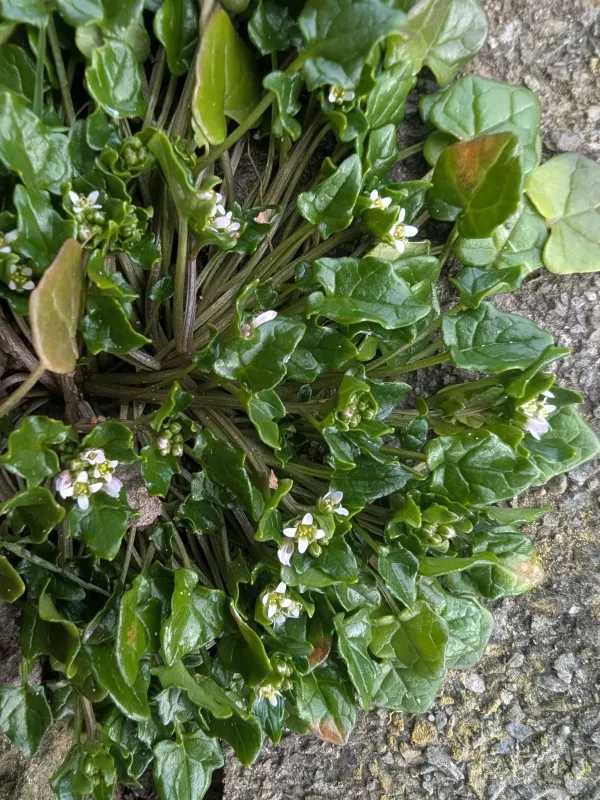
Description
Sowing dates
Danish scurvygrass is a hardy plant that thrives in cooler climates, making early spring the ideal time for direct outdoor sowing.
Seeds should be sown thinly in drills approximately 20–30 cm apart, ensuring they are covered with a very light layer of soil or fine compost.
Germination is generally reliable when soil temperatures remain low, typically ranging between 8 and 12 degrees Celsius in early spring.
Winter sowing is also feasible in regions with mild winters, as the seeds require a period of cold to overcome dormancy and sprout evenly.
Once seedlings emerge, they should be thinned to a distance of 10–15 cm to allow the rosette to expand fully and maintain airflow.
Growing requirements
As a member of the Brassicaceae family, it prefers well-drained, nutrient-rich soils with a neutral or slightly saline chemical composition.
The plant demonstrates a high requirement for direct sunlight and performs poorly in shaded areas, often failing to develop proper leaf density.
Consistent moisture is essential for growth, but the species is highly sensitive to waterlogging, which rapidly leads to root rot in heavier soils.
Danish scurvygrass is naturally adapted to coastal conditions, showing impressive resistance to wind and salt spray, which is a rare trait for leafy greens.
Moderate temperatures (12–18 Celsius) are ideal; excessive heat will force the plant into an early flowering stage, reducing the edible quality of the leaves.
Yield
The yield of Danish scurvygrass is measured by the biomass of the succulent leaf rosettes harvested before the plant begins to bolt.
Under optimal management, which includes weeding and adequate moisture, a yield of 1 kg of fresh greens per square meter is achievable.
Regular harvesting of the outer, more mature leaves encourages the plant to continue producing new foliage from the central growth point.
Productivity peaks during the cool, moist spring months and significantly tapers off as the plant approaches its reproductive phase in mid-summer.
Commercial yields are optimized through high-density planting techniques, provided that the soil fertility is maintained at a sufficient level.
Main diseases and pests
The primary agronomic threat is the crucifer flea beetle, which can decimate young seedlings in a very short period of time if left untreated.
Downy mildew and other fungal diseases may occur in instances of high humidity combined with poor air circulation between the rows.
Slugs and snails pose a consistent threat to the foliage, especially in moist or shaded garden patches where the soil remains perpetually wet.
Weed management is critical, as competitive broadleaf weeds can easily overwhelm the relatively low-growing rosettes of the scurvygrass.
Crop rotation practices should be strictly followed to minimize the buildup of soil-borne pathogens common to other Brassica crops.
Harvesting
Harvesting usually commences about 8 to 10 weeks after sowing, once the plant has formed a substantial, lush rosette of leaves.
Using a sharp, disinfected knife, the outer leaves are carefully removed, ensuring the central stem remains intact for subsequent harvests.
Post-harvest handling requires immediate cooling to prevent the leaves from wilting, as they have a high water content and sensitive texture.
The shelf life of harvested leaves is limited, and they should be consumed or processed within a few days of harvest for maximum freshness.
- Culinary ingredient for fresh salads
- Traditional source of Vitamin C
- Herbal garnish for fish dishes
- Flavor enhancer for vinegars