
Briggs' scurvygrass
Cochlearia briggsii
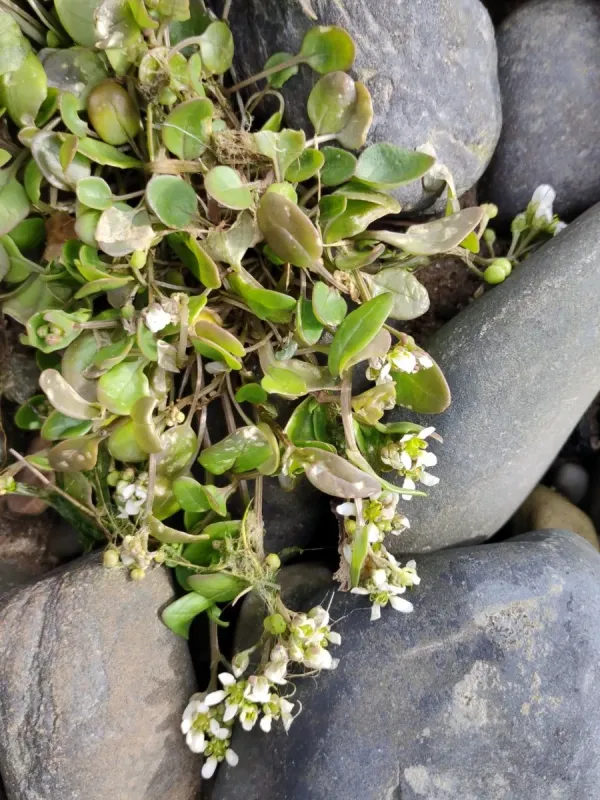
Description
Sowing dates
Briggs' scurvygrass (Cochlearia briggsii) is a perennial member of the Brassicaceae family. In its natural habitat, seed dispersal usually occurs in late summer, with seeds germinating the following spring after a period of winter dormancy.
When cultivating this species, cold stratification is essential for successful germination. Seeds should be kept in a moist, cold environment (near 0-5°C) for several weeks prior to planting to ensure the breaking of dormancy.
Sowing should be done on the surface of a well-draining substrate, as the seeds require light to germinate effectively. Do not cover them deeply; a light dusting of grit or fine sand is sufficient to hold them in place.
Maintain consistent moisture levels during the germination period. The use of a fine mist sprayer is recommended to prevent washing away the small seeds or drying out the growing medium.
Seedlings emerge slowly and require a stable environment. Avoid exposing young plants to extreme temperature fluctuations or direct, harsh sunlight during their initial growth phase.
Growing requirements
This plant thrives in cool, humid, and well-ventilated climates. It is best suited for alpine gardens, rockeries, or specialized controlled environments that mimic its natural mountainous or coastal conditions.
The soil must be moisture-retentive yet possess excellent drainage. A mix of organic matter and inorganic grit is ideal to provide the necessary structure and nutrient base without allowing for waterlogging.
Briggs' scurvygrass prefers neutral to slightly acidic pH levels. It is not a heavy feeder; therefore, excessive application of synthetic fertilizers should be avoided to prevent root damage and promote natural growth habits.
Partial shade is preferable to full sun, particularly in mid-day conditions. The plant performs best when it receives bright, indirect light that keeps it cool while still supporting healthy photosynthesis.
Cultural maintenance involves keeping the root zone consistently cool and moist. Regular, light watering is better than deep, infrequent soaking, especially during the active growing season.
Main diseases and pests
Like many plants in the Brassicaceae family, Briggs' scurvygrass is susceptible to crucifer flea beetles. These pests can cause significant damage to foliage in a short amount of time during the spring months.
Fungal diseases are a primary concern, especially in areas with stagnant air and high humidity. Proper spacing between plants is critical to ensure airflow and reduce the likelihood of leaf rot.
Slugs and snails are common threats, especially during wet seasons. Monitoring for these pests at night and providing physical barriers can help protect the succulent leaves of the plant.
Root rot is often a result of overwatering or inadequate soil drainage. It is essential to ensure that the water passes through the substrate quickly to avoid suffocating the roots.
Prevention through good sanitation is key to avoiding soil-borne pathogens. Removing dead foliage and keeping the base of the plant clean will significantly contribute to the long-term health of the culture.