
Cochlearia officinalis
Cochlearia officinalis
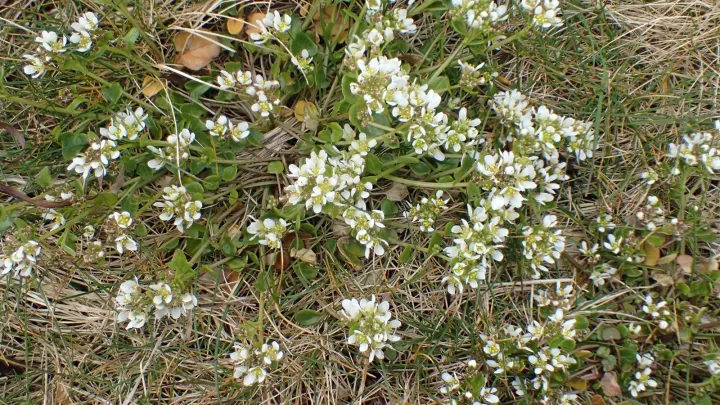
Description
Sowing dates
Cochlearia officinalis, commonly known as scurvygrass, is a perennial herb belonging to the Brassicaceae family. Historically valued for its high vitamin C content, it remains a specialty crop for home gardeners and herbalists.
The best time to sow seeds is in early spring or autumn. Since the seeds are very fine, they should be surface-sown or covered with a very thin layer of fine compost to ensure adequate light exposure for germination.
Seeds typically germinate within 2 to 3 weeks depending on the temperature. A soil temperature of around 10–15 degrees Celsius is ideal for establishing strong seedlings.
When planting in rows, space them about 20–30 cm apart to ensure good airflow. Thinning the seedlings early on prevents overcrowding, which is vital for the development of healthy leaf rosettes.
Because it is a cool-season plant, it can be sown successively to provide a continuous harvest. In warmer climates, provide some afternoon shade to prolong the harvesting window before the plant bolts.
Growing requirements
This plant thrives in moist, well-draining soil rich in organic matter. While it is naturally found in coastal areas, it adapts well to garden soils provided they do not dry out completely.
Regular moisture is critical for the quality of the leaves. If the soil becomes too dry, the plant may become bitter and develop a woody texture, reducing its culinary and medicinal value.
Scurvygrass prefers a sunny position but is tolerant of partial shade, especially in hotter regions. It is highly resilient and can handle poor soil conditions, but fertilizer application in early spring boosts leaf production.
Maintaining a neutral to slightly alkaline pH is beneficial for this crop. It is quite hardy, capable of surviving through cold winters, making it a reliable early spring green.
Crop rotation is advisable to prevent the buildup of soil-borne diseases common to the Brassicaceae family. Avoid planting it where other cruciferous vegetables were grown recently.
Main diseases and pests
Common pests include flea beetles, which can skeletonize the leaves if left unchecked. Covering the young plants with fine mesh fabric is an excellent organic control method.
Cabbage aphids can also infest the plants during warm, dry weather. Regular inspection of the underside of the leaves is necessary to catch and treat outbreaks early.
Clubroot is a significant fungal disease for this species. To mitigate this risk, ensure the soil is well-drained and avoid overwatering, as excess moisture facilitates the spread of spores.
Powdery mildew may occur if planting density is too high or if airflow is poor. Thinning the plants and removing infected leaves immediately can stop the spread of the fungus.
For sustainable cultivation, promoting beneficial insect populations, such as ladybugs, helps control aphid levels naturally without the need for synthetic chemicals.
Harvesting
Harvesting usually begins once the plant has developed a healthy, robust rosette of leaves, typically 6 to 8 weeks after planting. It is best to harvest outer leaves while allowing the central part of the plant to continue growing.
For peak vitamin C content and medicinal potency, the herb is best harvested just before or during the early flowering stage. The leaves are tenderest at this time and possess the most vibrant flavor.
Always use a clean, sharp knife for harvesting to prevent crushing the stems, which can lead to rapid wilting. Fresh leaves should be used quickly as they do not have a long shelf life.
If storing is necessary, keep the harvested leaves in an airtight container or a plastic bag in the refrigerator's crisper drawer. This maintains humidity and prevents the leaves from dehydrating.
For large-scale cultivation, mechanical harvesting of the leaves can be done, provided the cutters are set at a height that does not damage the crown of the plant, ensuring a perennial yield for future seasons.