
Icelandic scurvygrass
Cochlearia islandica
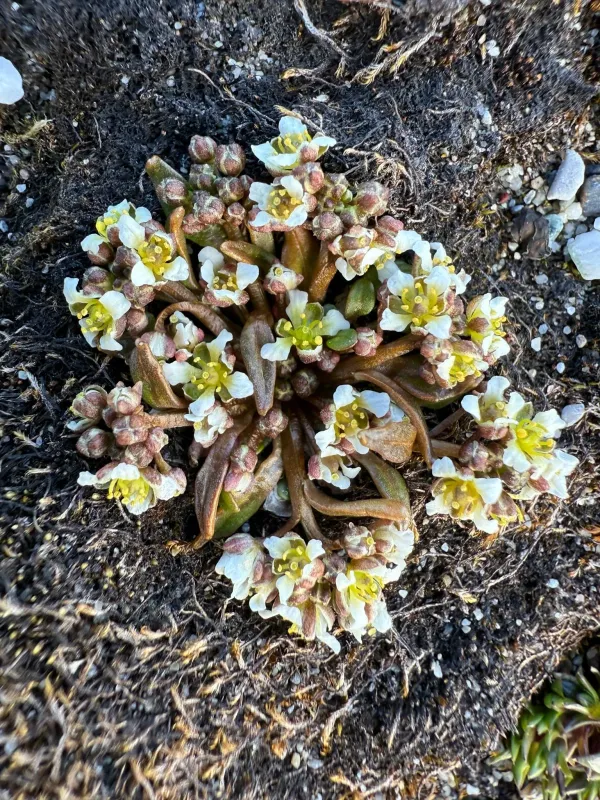
Description
Sowing dates
Icelandic scurvygrass belongs to the Brassicaceae family, which is well-known for its adaptation to diverse environments. Being a cool-season plant, sowing is best performed in early spring when the soil temperature begins to rise slightly.
The seeds are relatively small and require careful attention during planting. They should be sown at a shallow depth, usually around 1 centimeter, as they require a certain amount of light to trigger germination effectively.
For commercial production, precision seeding is recommended to ensure consistent plant spacing. This helps in managing weed competition and allows for better air circulation throughout the crop canopy.
Germination typically occurs within a couple of weeks, depending on moisture levels. It is vital to maintain consistent soil moisture during this period to ensure successful seedling establishment.
Thinning is an essential step after the seedlings develop true leaves. This spacing allows each plant to develop a robust rosette, which is the primary marketable part of the crop.
Growing requirements
This crop thrives in moist, well-draining soil conditions. Because of its native habitats near water bodies, it prefers soils that have high organic matter content and are capable of retaining moisture without waterlogging.
The plant is highly adaptable to cool climates and can tolerate light frosts, which often improve the flavor profile of the leaves by increasing sugar content as a stress response.
Regarding light exposure, partial shade is often beneficial, especially in regions with intense sunlight. Excessive heat can cause the plant to bolt prematurely, which drastically reduces the quality of the harvest.
Neutral soil pH is generally preferred, although the plant shows a remarkable tolerance for saline conditions. This adaptability makes it suitable for coastal cultivation where other crops might fail.
Adequate ventilation is critical for this crop. Because it is often grown in dense rosettes, good airflow helps in preventing the buildup of humidity and the subsequent development of fungal diseases.
Yield
The yield of Icelandic scurvygrass is measured by the total weight of the edible leafy rosettes produced per unit area. With proper fertilization and regular harvesting, yields can be quite consistent throughout the growing season.
Harvesting strategies, such as continuous leaf picking, allow for multiple yields from the same plant. This method is preferred for small-scale fresh market production to ensure a constant supply of high-quality greens.
The nutritional profile of the leaves, particularly their high Vitamin C content, makes this crop highly valuable in the market. Proper crop management ensures that these levels are maintained throughout the harvest cycle.
To maximize yields, it is important to prevent the plant from entering the reproductive phase too early. Regular removal of emerging flower stalks directs energy back into vegetative growth.
Total yield per square meter depends largely on the intensity of the irrigation system and the frequency of harvests. High-density planting managed with modern drip irrigation has shown to be the most productive method.
Main diseases and pests
Like many plants in the Brassicaceae family, this crop is susceptible to flea beetles. These insects can cause significant damage to the leaf tissue, leaving small holes and reducing the market value of the crop.
Downy mildew and other fungal pathogens thrive when leaf surfaces remain wet for extended periods. Implementing an irrigation schedule that keeps the foliage dry during the night can significantly reduce the risk of infection.
Root rots are a potential threat in poorly drained soils. Ensuring that the site has adequate drainage is the primary method of preventing these issues, as chemical interventions are limited in edible crops.
Aphids can sometimes colonize the undersides of the leaves, particularly in protected environments like greenhouses. Monitoring these populations early is crucial for maintaining a clean crop without relying on heavy pesticide use.
Slugs and snails can also damage the leaves. Physical barriers and habitat management around the plot are usually the most effective ways to mitigate this risk in an integrated pest management program.
Harvesting
Harvesting is typically performed by hand, selecting the outer, more mature leaves of the rosette. This selective harvesting approach allows the central part of the plant to continue growing and producing more foliage.
The best time to harvest is during the cool morning hours. This ensures that the leaves are fully hydrated and possess the crisp texture that consumers desire, while also extending the shelf life of the product.
Immediately after harvesting, the greens should be moved to a cool environment. Rapid cooling, or hydro-cooling, is often used in large-scale operations to preserve freshness and nutritional value.
Packaging should be done in breathable containers to prevent moisture accumulation and decay. Proper storage conditions at near-freezing temperatures allow the product to remain shelf-stable for several days.
Consistency in harvest size and cleanliness is key to premium market presentation. Every care must be taken to remove any damaged or yellowed leaves during the packing process to ensure consumer satisfaction.