
Jackman clematis
Clematis x jackmanii T. Moore
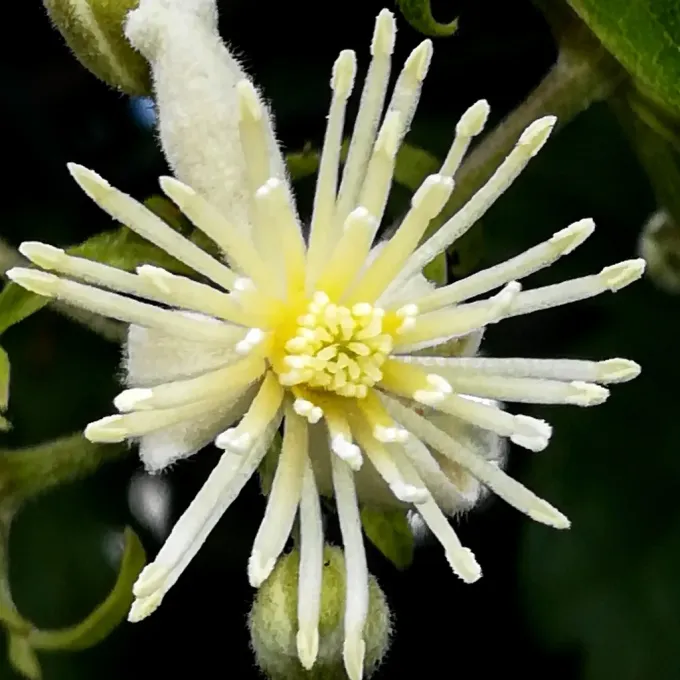
Description
Sowing dates
Planting Jackman clematis in open ground is best performed in early spring or early autumn when the soil temperatures are stable.
Regional climate plays a key role, with colder zones requiring spring planting to allow the plant to establish roots before the first frost.
Container-grown plants can be planted throughout the growing season provided they receive consistent moisture and care after transplanting.
The planting hole should be spacious, and the root ball should be buried 5–10 centimeters deeper than it was in the nursery pot.
Deep planting encourages the development of a vigorous root system and stimulates the growth of new shoots from the base of the plant.
Growing requirements
Jackman clematis belongs to the Ranunculaceae family and is a robust, deciduous climbing vine widely used in ornamental horticulture.
The plant thrives in positions with full sun for the foliage, while the root zone prefers cool, shaded conditions protected from direct heat.
Soil requirements include well-draining, fertile, humus-rich earth with a neutral to slightly alkaline reaction for optimal nutrient absorption.
Providing a reliable trellis or support structure is essential as the plant climbs by using its leaf petioles to wrap around supports.
Consistent watering and mulching are critical practices to maintain soil moisture and protect the root system from extreme temperature fluctuations.
Main diseases and pests
Clematis wilt is the most serious disease concern, causing sudden collapse and drying of entire stems, often linked to fungal pathogens.
Pests such as aphids and spider mites can attack the foliage, especially during hot and dry spells, reducing the plant's overall vigor.
Powdery mildew may appear on the leaves in humid and poorly ventilated conditions, necessitating proper spacing and airflow management.
Integrated pest management, including regular inspection and the use of targeted fungicides, helps in maintaining healthy plant growth.
Removing infected plant debris immediately is a standard sanitary measure to prevent the overwintering of pathogens in the garden soil.
Harvesting
As a member of pruning group 3, Jackman clematis requires hard pruning every autumn to maintain its flowering cycle.
All stems should be cut back to 20–30 centimeters above the ground level, ensuring that at least two or three buds remain on the stubs.
This pruning method is vital because the plant produces flowers on the new wood that grows rapidly during the current season.
Proper waste management of the pruned material is recommended to keep the garden area clean and free from potential fungal spores.
Hard pruning not only promotes vigorous new growth but also ensures a spectacular display of large, vibrant flowers during the summer months.